
Sleep is one of the three pillars of health, alongside nutrition and physical activity, and yet millions of people struggle every night to get the good sleep they need. When this struggle becomes persistent, it usually points to something more serious known as a sleep disorder.
A sleep disorder is a medical condition that disrupts a person’s ability to fall asleep, stay asleep, or wake up feeling rested. Unlike the occasional restless night caused by stress or an unfamiliar bed, a sleep disorder recurs over weeks or months and begins to interfere with work, relationships, and overall well-being. Sleep disorder often comes with other mental health conditions such as anxiety and depression, or can be a symptom of other mental health conditions. Understanding the different types of sleep disorders, recognizing sleep disorder symptoms early, and knowing which sleep disorder treatment options exist can make the difference between years of exhaustion and a full recovery.
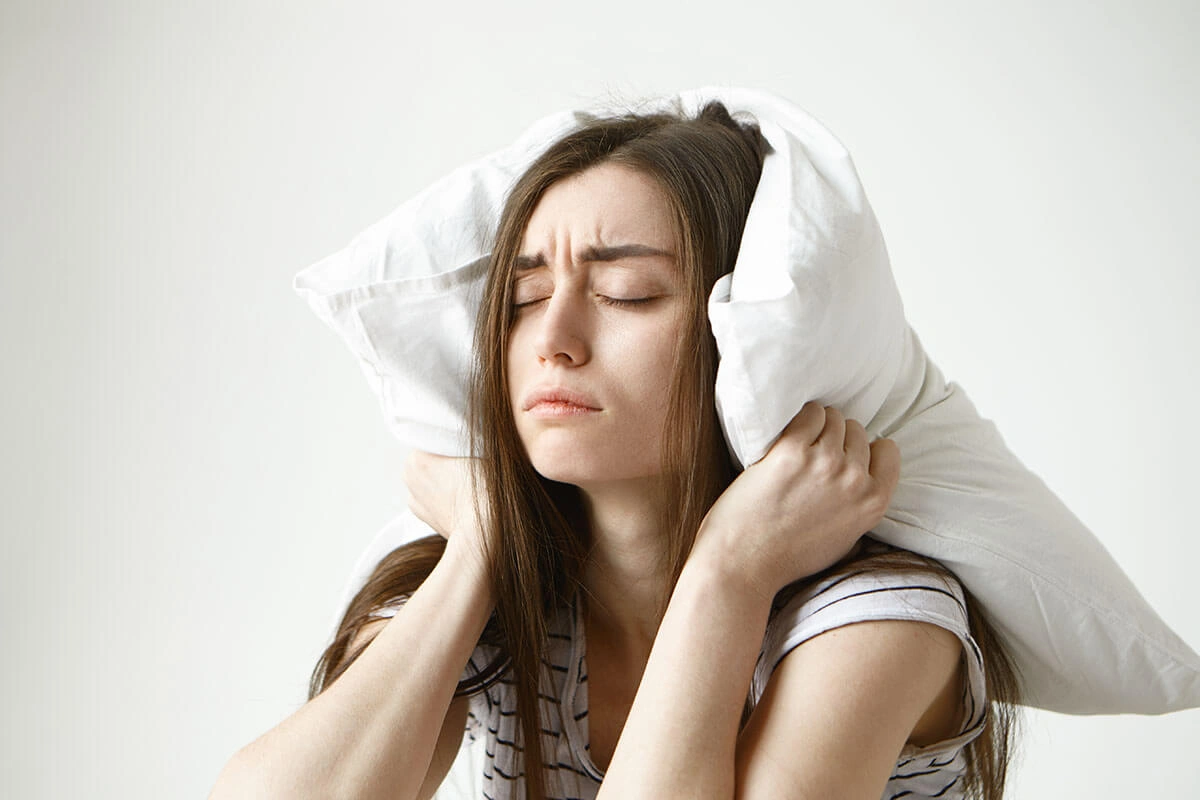
At its core, a sleep disorder describes ongoing problems that consistently prevent normal, restorative sleep. Occasional sleep problems such as staying up late the night before a deadline, jet lag after a long flight, or a few restless hours during an emotional week are a normal part of life. However, a sleep disorder is a group of conditions that affect the sleep quality and quantity, usually lasting more than a few weeks, and interfere with daytime functioning.
People living with a sleep disorder often describe a familiar pattern: lying awake for long hours, waking repeatedly through the night, or sleeping a full eight hours yet still feeling drained the next morning. If left unaddressed, these sleep disturbances affect your concentration at work, mood at home, and even long-term physical health, since the body relies on deep sleep to repair tissue, regulate hormones, and consolidate memory.
Doctors and sleep researchers generally group these conditions into several sleep conditions based on how they affect the sleep-wake cycle. Some sleep disorders make it hard to fall asleep. Others disrupt the quality of sleep once it begins. And some cause abnormal behavior or movement during sleep itself.
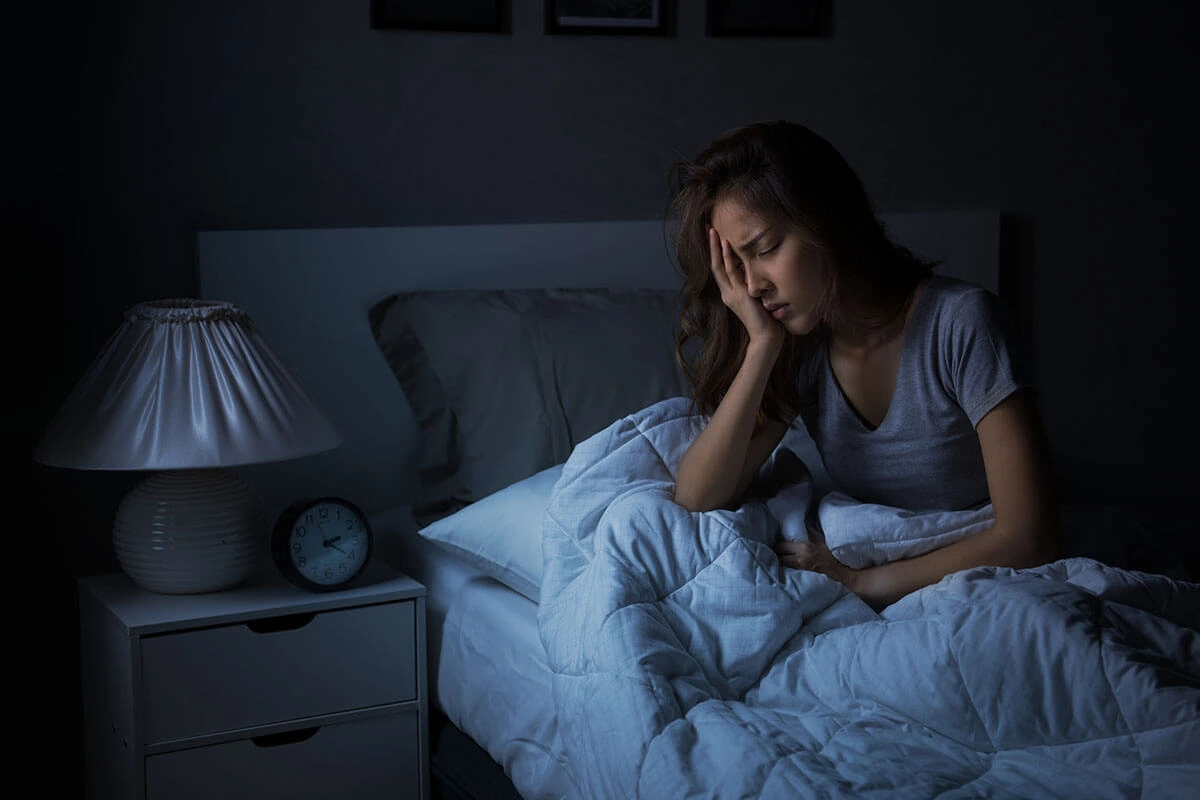
There are different types of sleep disorders, each with its own mechanism and treatment path. Below are the types of sleep disorders that clinicians reported most frequently.
Sleep apnea is a breathing-related sleep disorder that involves breathing interruptions during sleep. Obstructive sleep apnea, the more common form, occurs when the muscles at the back of the throat relax and narrow the airway. This leads to loud snoring, gasping, and brief awakenings that the sleeper is often unaware of. Because it fragments deep sleep so severely, sleep apnea is strongly linked to high blood pressure, heart disease, and daytime fatigue. According to a 2025 Sleep abstract, obstructive sleep apnea may affect up to 85.6 million U.S. adults, and about 80% of cases may be undiagnosed.
RLS produces an uncomfortable, sometimes indescribable urge to move the legs, usually worsening in the evening or at night. This sensation eases with movement, which means people with RLS often struggle to stay still long enough to fall asleep, leading to significant sleep disruptions night after night.
Narcolepsy is a neurological sleep disorder that affects the brain’s ability to regulate the sleep-wake cycle. It causes overwhelming daytime sleepiness and, in some cases, sudden “sleep attacks” or a temporary loss of muscle control known as cataplexy. Though far less common than insomnia or sleep apnea, narcolepsy can be deeply disruptive to daily life and often goes undiagnosed for years.
This category includes sleepwalking, night terrors, and REM sleep behavior disorder, in which people act out vivid dreams. Parasomnias are more common in children but can persist into or emerge during adulthood, sometimes linked to stress, sleep deprivation, or other underlying sleep problems.
These occur when a person’s internal body clock falls out of sync with the external day-night cycle. Shift workers, frequent travelers, and teenagers with delayed sleep phase are especially prone to this category of sleep issues, which can make it feel as though the body wants to sleep and wake at entirely the wrong times.
Recognizing which of these sleep conditions matches your experience is the first step toward getting the right sleep disorder treatment, since each type responds differently to intervention.
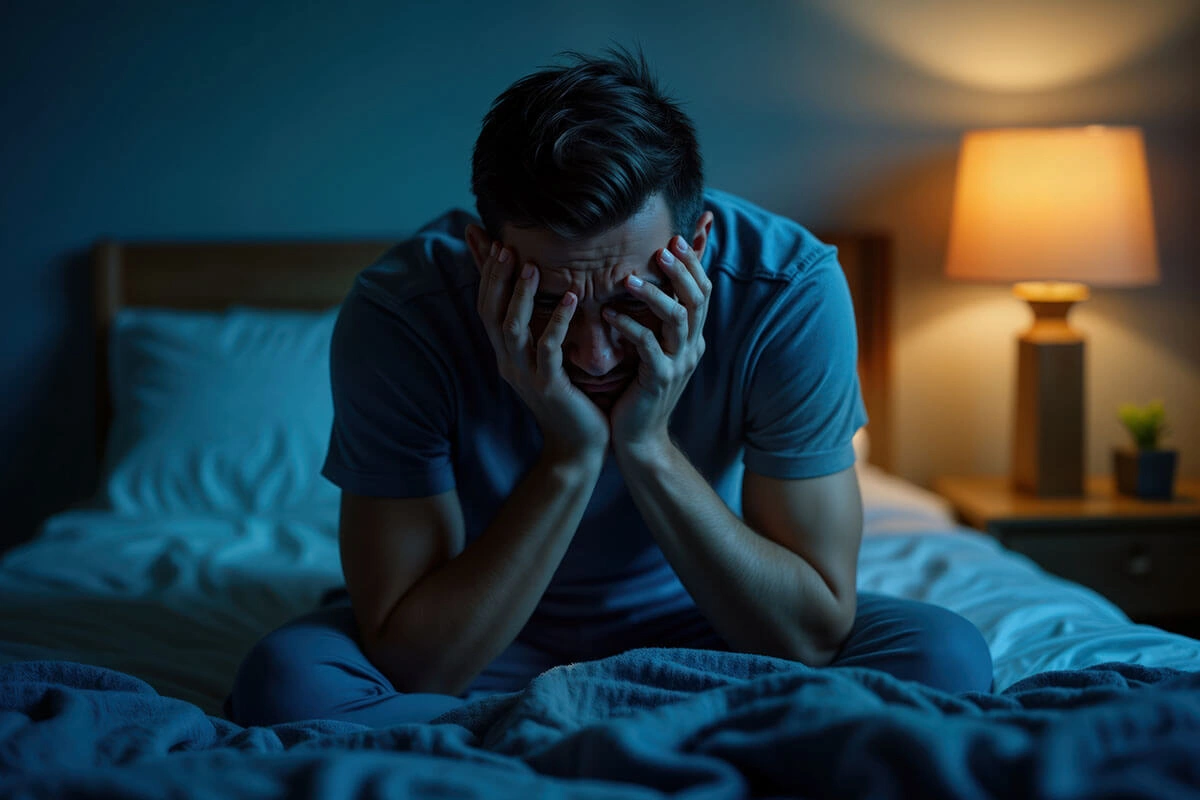
The causes of sleep disorders are rarely a single factor; they usually reflect an overlap of physical, psychological, and lifestyle influences.
Because the causes of sleep disorders vary so widely from person to person, an accurate diagnosis usually requires input from a healthcare provider rather than guesswork or self-diagnosis.

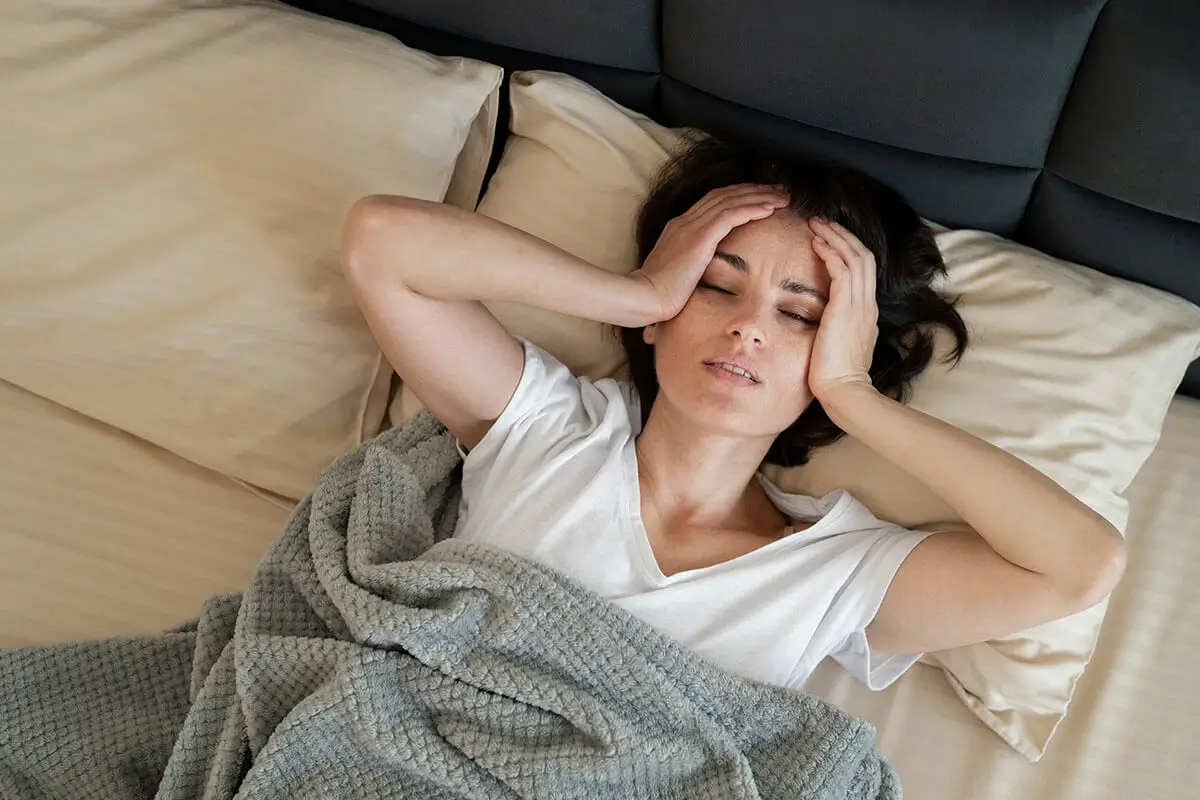
Sleeping disorder symptoms differ depending on the specific condition, but several warning signs tend to overlap across most sleep disorders:
If several of these sleeping disorder symptoms appear consistently for more than a few weeks, it is a strong signal that professional evaluation is needed rather than simply “pushing through” the tiredness.
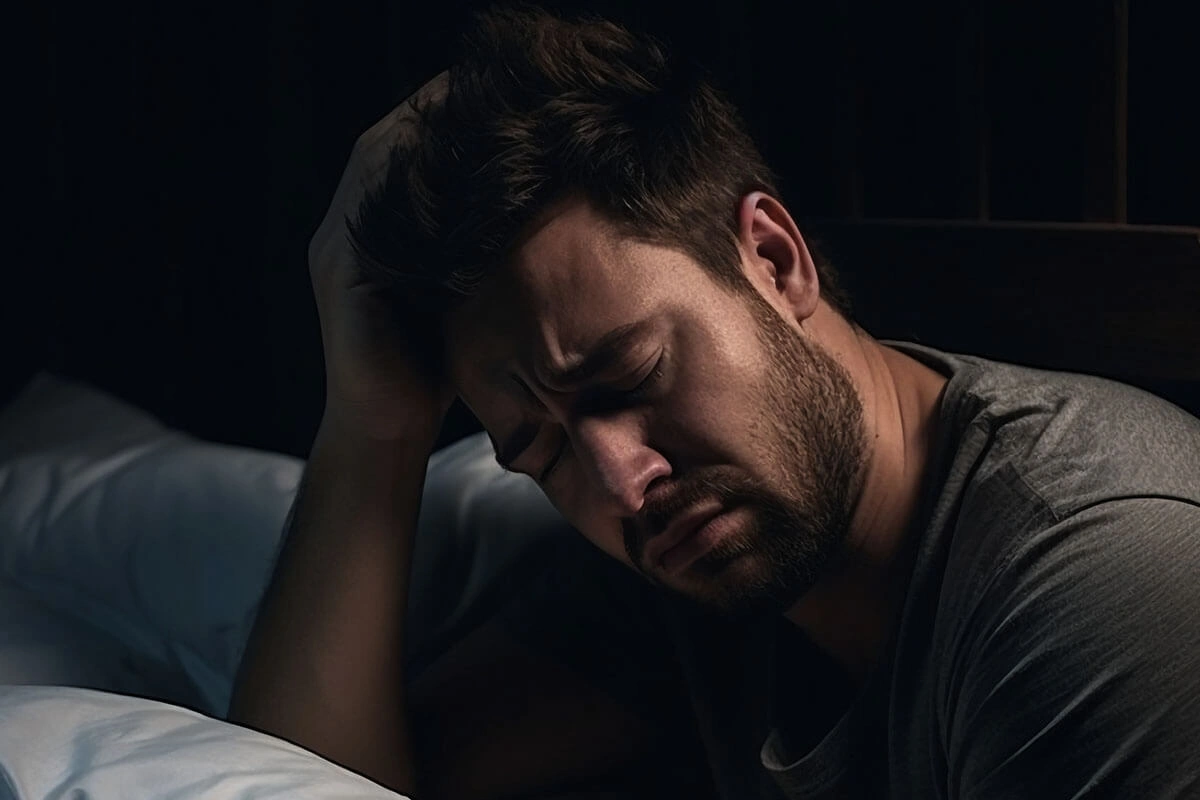
For many sleep disorders, especially insomnia, cognitive behavioral therapy for insomnia (CBT-I) is considered the gold-standard treatment. It works by identifying the thought patterns and habits that reinforce poor sleep and gradually replacing them with healthier ones. Alongside therapy, improving sleep hygiene, keeping a consistent bedtime, limiting screens before bed, and reducing caffeine intake later in the day play a major role in resolving mild to moderate sleep problems.
For obstructive sleep apnea, a CPAP (continuous positive airway pressure) machine is the most common and effective treatment, keeping the airway open through gentle, continuous air pressure during sleep. In some cases, oral appliances or, less commonly, surgical options may be recommended.
Depending on the diagnosis, doctors may prescribe short-term sleep aids, melatonin supplements, or medications that address an underlying cause, such as restless legs syndrome or narcolepsy. Medication is generally used carefully and for a limited period, since long-term reliance can sometimes mask an unresolved chronic sleep disorder rather than treat it.

When a sleep disorder stems from another medical or mental health issue, treating that root cause often resolves the sleep disturbance as well. This is why doctors frequently screen for depression, anxiety, chronic pain, and hormonal imbalances when a patient reports ongoing sleep issues.
A qualified healthcare provider will typically confirm a diagnosis through a sleep study, either in a lab or at home, before recommending a specific sleep disorder treatment path. Self-treating a suspected sleeping disorder without a proper diagnosis can delay recovery and, in some cases, mask a more serious underlying condition.

A chronic sleep disorder, one lasting three months or longer, requires a different mindset than an occasional bad night. It calls for consistency: sticking with treatment even when improvement feels slow, tracking sleep patterns to identify triggers, and being patient with the process of retraining the body’s sleep-wake cycle. Many people living with a chronic sleep disorder find that combining professional treatment with healthy lifestyle habits, such as regular exercise and a scheduled wake-up time, provides lasting results.
It’s also worth remembering that a chronic sleep disorder rarely improves through willpower alone. The frustration of “trying harder” to sleep often backfires, deepening the very sleep disturbances a person is trying to escape. Working with a mental health specialist, rather than battling the condition alone, tends to produce far better outcomes.

For some individuals, a sleep disorder does not exist in isolation; it is closely tied to anxiety, depression, trauma, or substance use, and standard weekly therapy or a single sleep consultation isn’t enough to address the condition. In these cases, structured, higher-intensity levels of care such as an Intensive Outpatient Program (IOP) or a Partial Hospitalization Program (PHP) can offer meaningful support.

While professional treatment is essential for diagnosed sleep disorders, everyday habits can reduce the frequency and severity of sleep disruptions for many people:
These habits won’t cure a diagnosed sleep disorder on their own, but they create a foundation that makes medical or behavioral treatment more effective.
Insomnia is the most commonly diagnosed sleep disorder worldwide, affecting people of all ages, though sleep apnea is also extremely widespread, particularly among adults with excess weight or airway obstructions.
Mild, short-term sleep problems often resolve once the triggering stress or situation passes. However, a chronic sleep disorder typically requires active treatment and rarely improves without intervention.
Not necessarily, but loud, frequent snoring accompanied by gasping or breathing pauses can indicate sleep apnea and should be evaluated by a doctor.
Diagnosis usually involves a detailed sleep history and, in many cases, a sleep study such as polysomnography, which monitors brain activity, breathing, and movement during sleep.
Yes. Hormonal changes, medical conditions, and shifts in sleep architecture make older adults more susceptible to several types of sleep disorders, including insomnia and sleep apnea.
A sleep disorder is far more than an inconvenience; it is a medical condition that deserves the same attention as any other chronic issue. Whether it shows up as insomnia, sleep apnea, restless legs syndrome, narcolepsy, or one of the many other sleep conditions, the underlying message is the same: the body is asking for help restoring one of its most basic functions.
The encouraging part is that most sleep disorders are treatable. With an accurate diagnosis, the right combination of therapy, lifestyle changes, and medical support, and a bit of patience, restful and restorative sleep is within reach for almost everyone. If persistent sleep problems have become part of your daily routine, don’t take it lightly; reach out to a healthcare provider and take the first step toward better sleep.

Medical & Clinical Educator
Samantha Leonie is a healthcare professional and medical content writer with experience in clinical training and academic writing. She specializes in creating research-based, accessible healthcare content. With a foundation in medical education and hands-on clinical practice, she brings depth and clarity to every piece she writes. Passionate about making medical knowledge understandable, she aims to educate and inspire her readers.

Medical Director
Dr. Seema Kazi is the compassionate force behind Rise Well Behavioral, where her vision has shaped a practice rooted in empathy, excellence, and patient-centered care.