
ADHD, the short form for attention-deficit/hyperactivity disorder, is one of the most common mental health disorders worldwide. ADHD develops during childhood and often lasts into adulthood. Although the disorder is so common, the real cause is still unknown. ADHD studies reveal that people with ADHD find it difficult to manage time, tasks, and daily routine work that need focus and attention. The symptoms of ADHD (impulsivity and hyperactivity) are often unnoticed in children due to their similarity with typical childhood behavior.
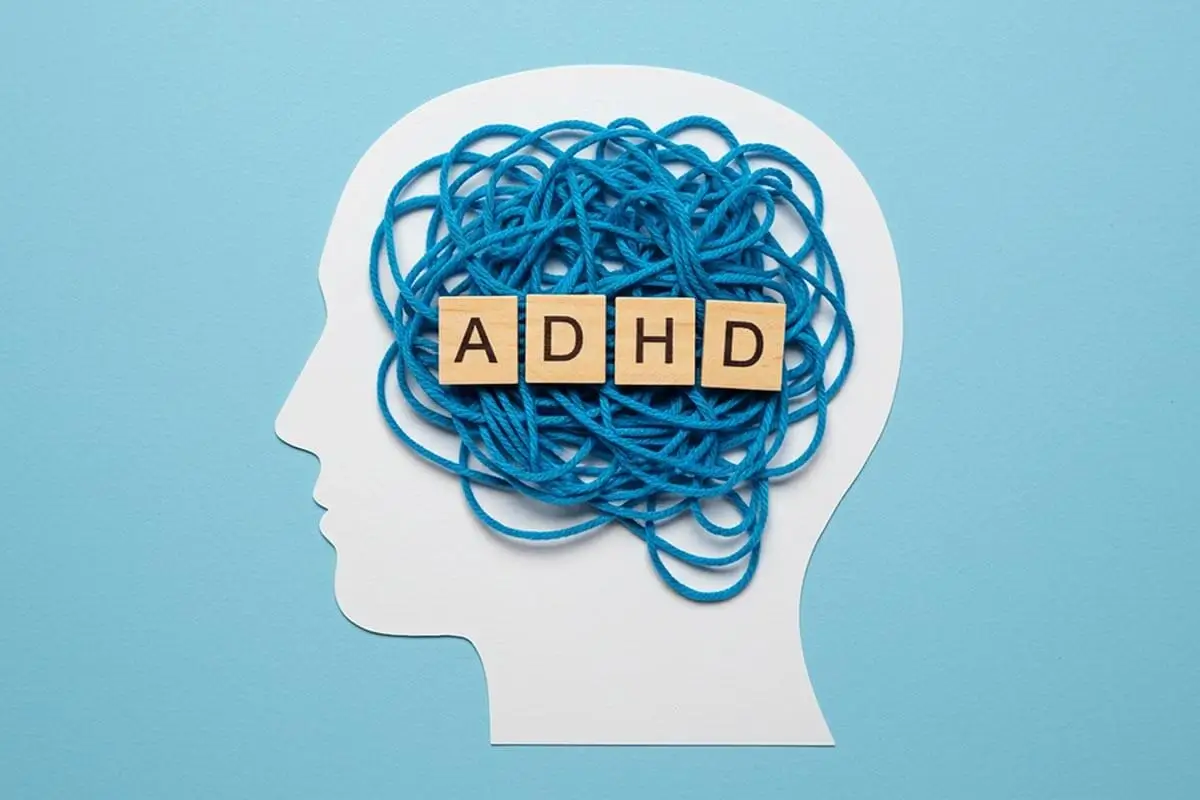
ADHD affects four main regions of the brain. Frontal cortex (which manages executive functions), basal ganglia (which helps to focus on attention), limbic system (which regulates emotions), and reticular activating system (which supports alertness and motivation). Since ADHD is a neurodevelopmental condition, the brains of ADHD children can develop differently from other children. Research reports that ADHD brain regions, such as the cerebellum and prefrontal cortex, which control time management and emotional regulation, can be slightly smaller than in a typical brain.
Brain scans show that children and adults with ADHD have a smaller prefrontal cortex and basal ganglia, along with reduced volume in the posterior inferior vermis of the cerebellum. These brain regions play integral roles in focus, impulse, and attention. Similarly, the hippocampus and amygdala also tend to be smaller. These brain regions are involved in multiple functions. The cerebellum cortex helps in the regulation of movement; a child with thin cerebellum cortex can have difficulty in staying focused or sitting on a seat, whereas smaller hippocampus and amygdala can cause difficulty in learning, remembering, and regulating emotions.
According to an NIH-funded study led by Dr. Philip Shaw, found that the brains of children with ADHD follow a normal pattern of development but with a longer time, which means certain brain regions involved in attention and self-management mature three years later than their peers, around age 10.5, compared to age 7.5 in children without ADHD. In other words, many ADHD brains aren’t developing incorrectly; they’re maturing on a delayed timeline, in the same sequence as everyone else’s, just later. That single finding has reshaped the concept that a child with ADHD isn’t behind; their brain is simply following a longer runway to the same destination.
Brain scientists have found that ADHD is closely linked to how the brain manages two key neurotransmitters, dopamine and norepinephrine, both of which are essential for the prefrontal cortex, the brain’s command center for planning, impulse control, and sustained attention. The prefrontal cortex depends on precise levels of norepinephrine and dopamine to function properly, and imaging research has repeatedly shown weaker prefrontal activation in people with ADHD when they attempt to regulate attention and behavior.
Science is still finding the real cause of ADHD; however, some researchers found that a group of interconnected brain regions known as the default mode network (DMN) play a significant role in ADHD. DMN is highly active when a person is at rest. The DMN handles daydreaming, mind-wandering, and self-reflection, and it quiets down the moment a person needs to focus on a task. Research suggests that people with ADHD have dysregulated DMN, which means that instead of slowing down during focus tasks, it remains highly active, which is why people with ADHD can still find their mind distracting even when trying to concentrate.
Taken together, ADHD research reframes the disorder in a useful way: the forgetfulness, restlessness, and distractibility aren’t a lack of trying. They’re the visible symptoms of a brain that is structured, wired, and timed a little differently and, importantly, it can be managed with the right treatment and support.

ADHD is closely tied to co-occurring mental health conditions. Children with ADHD are far more likely to carry a second diagnosis; according to CDC data, nearly 78% of children with ADHD have at least one co-occurring condition, most commonly a behavior or conduct problem (44.1%) or anxiety (39.1%). That overlap is a major reason clinicians now treat ADHD mental health as a whole-person condition rather than an isolated attention problem. It is a shift that recent ADHD research has helped drive, and why an effective mental health program often needs to address ADHD alongside whatever else is layered on top of it.
The relationship between ADHD and mental health runs in both directions. ADHD symptoms can trigger anxiety and low mood, and existing anxiety or depression can make ADHD symptoms harder to manage. This overlap is one of the best-documented patterns in ADHD mental health research, and it shows up again and again across independent ADHD studies conducted by different research teams.
More than half of adults with ADHD also meet criteria for an anxiety disorder, and nearly 40% of children with autism spectrum disorder show comorbid ADHD, according to figures compiled by ADHD Advisor. Because of this pattern, treating ADHD alone works well. Clinicians increasingly recommend integrated care, a mental health program that treats ADHD alongside anxiety, mood disorders, or trauma history rather than addressing each condition separately.
| Co-Occurring Condition | Approximate Prevalence Alongside ADHD |
|---|---|
| Behavioral or conduct problems (children) | 44.1% |
| Anxiety problems (children) | 39.1% |
| Anxiety disorders (adults) | Up to ~50% |
| ADHD among adults with substance use disorder | ~21% |
| Autism spectrum disorder (children) | 14.4% |
Figures compiled from CDC National Survey of Children’s Health data, 2022 National Survey of Children’s Health study and published ADHD research summaries.
For individuals whose ADHD mental health picture includes a co-occurring substance use pattern, a structured PHP addiction or IOP addiction level of care can provide the intensity of support that outpatient therapy alone sometimes can’t.

Clinically, attention deficit hyperactivity disorder is organized around three symptom clusters:
Most ADHD attention deficit research organizes these clusters the same way, which is why clinicians across different states and healthcare systems tend to reach similar conclusions when evaluating a patient. The DSM-5 groups these into two presentations, predominantly inattentive and predominantly hyperactive-impulsive, plus a combined type where both sets of symptoms are prominent. A diagnosis typically requires several symptoms to appear before age 12, show up in more than one setting (home, school, work), and cause a measurable impact on functioning.
What makes ADHD attention deficit hyperactivity disorder tricky to diagnose is that it doesn’t look the same in every person. A hyperactive eight-year-old bouncing around a classroom fits the stereotype. A quietly overwhelmed accountant who reads the same paragraph five times may not have the same symptoms, yet both may meet full diagnostic criteria. This is one reason attention deficit hyperactivity disorder is frequently missed or diagnosed late, particularly in adults and in women.
| Core Symptom Domain | Common Presentation in Children | Common Presentation in Adults |
|---|---|---|
| Inattention | Careless mistakes, doesn’t follow instructions, loses items | Missed deadlines, disorganization. |
| Hyperactivity | Fidgeting, running/climbing, difficulty staying seated | Restlessness, feeling “on the go,” talking excessively |
| Impulsivity | Blurting answers, interrupting, difficulty waiting turns | Impulsive spending, job-hopping, interrupting conversations |

The older term “attention deficit disorder,” or ADD, is still used informally to describe the inattentive presentation: someone who struggles with focus and organization but doesn’t show obvious hyperactivity. Although the DSM retired ADD as a separate diagnosis decades ago, the term persists because it captures a real and clinically distinct pattern. It’s still a useful shorthand for the ADHD attention deficit presentation that shows up without the hyperactive component.
ADHD attention deficit patterns like this one are exactly why ADHD studies increasingly emphasize careful, individualized evaluation rather than a one-size-fits-all checklist. People with a more attention-deficit-disorder-type presentation are often the ones who slip through the cracks. They aren’t disruptive, so teachers and employers may consider their struggles as laziness, disinterest, or a lack of effort rather than a neurological difference. This presentation is also diagnosed more often in girls and women, which partly explains the gender gap in diagnosis. CDC data shows ADHD prevalence in boys (14.5%) running nearly twice as high as in girls (8.0%), a gap researchers increasingly attribute to differences in symptom visibility rather than true differences in who has the disorder.

Hyperactivity and impulsivity are the most visible faces of ADHD, though they aren’t present in every case. ADHD hyperactivity shows up as an internal or external restlessness, fidgeting, an inability to stay seated, and a mind that jumps from one thought to another. In adults, ADHD hyperactivity often turns inward, presenting less as physical distraction and more as racing thoughts, impatience, or a persistent sense of inner agitation.
Impulse control problems usually occur alongside ADHD hyperactivity. People with ADHD may engage in risk behaviors such as impulsive spending, risky driving, substance use, and difficulty pausing before reacting emotionally. This is why co-occurring substance use is so common in this population; research cited by ADHD Advisor found that 21% of adults with a substance use disorder show signs of ADHD. For families navigating both issues at once, a coordinated addiction treatment program that also screens for ADHD can make recovery far more durable.

ADHD will affect the future of an individual if not treated timely. It will eventually affect different areas of a person’s life. For example, a student who has difficulty sitting in a classroom and paying attention may become an adult who is unable to focus on presentations. A child who loses homework becomes an adult who misses bill payments.
Along with other consequences of an ADHD personality, the financial and personal toll is also well documented. Research summarized by ADHD Advisor shows that ADHD costs the U.S. economy an estimated $122.8 billion per year in unemployment, lost productivity, and added healthcare expenses. Additionally, adults with childhood ADHD tend to earn up to 33% less than their peers and are 60% more likely to be fired from a job. For a family that raises a child with the disorder is costly too. The same analysis found that raising a child with ADHD costs families close to five times more than raising a child without it.


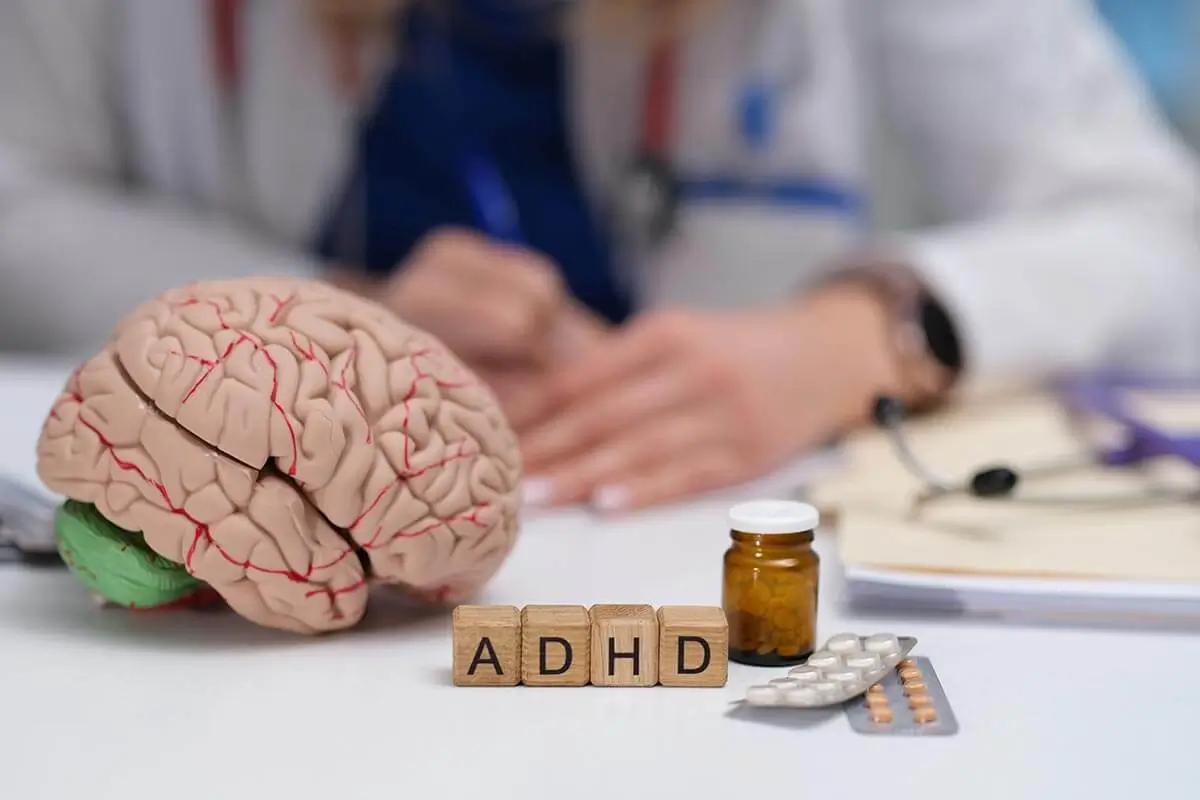
While the impact of ADHD affects lives, the good news is that ADHD is manageable with the right treatment. ADHD studies have concluded that treatment outcomes improve most when structured support with medication and behavioral therapy are combined. The most established ADHD treatments fall into the following categories:
| Treatment Approach | How It Helps | Who It May Benefit |
|---|---|---|
| Behavioral Therapy | Improves behavior, organization, and coping skills. | Children with ADHD, especially younger children and those with behavioral challenges. |
| Medication Management | Reduces inattention, hyperactivity, and impulsivity. | Children, adolescents, and adults whose symptoms significantly affect daily functioning. |
| Cognitive Behavioral Therapy (CBT) | Builds coping, emotional regulation, and organizational skills. | Adolescents and adults, particularly those with co-occurring anxiety or depression. |
| Parent Training Programs | Teaches effective behavior-management strategies and routines. | Parents and caregivers of children with ADHD. |
| School-Based Support | Provides accommodations and behavioral support. | School-aged children experiencing learning or attention difficulties. |
| Social Skills Training | Builds communication and relationship skills. | Children and teens who struggle with peer interactions and social communication. |
| Lifestyle and Healthy Habits | Supports attention, mood, sleep, and overall well-being. | Beneficial for individuals of all ages as part of a comprehensive treatment plan. |

A mental health expert who understands both ADHD and the co-occurring mental health conditions can make a real difference. For families and adults in the Dallas–Fort Worth area, Rise Well Behavioral offers a full continuum of care. They provide an integrated care plan which includes a mental health program, IOP mental health, and PHP mental health tracks for individuals whose ADHD overlaps with anxiety, depression, or trauma.
For individuals whose ADHD symptoms have led to substance use, addiction treatment program, including the IOP addiction, and PHP addiction by Rise Well Behavioral are designed to treat both conditions together.
ADHD, attention deficit hyperactivity disorder and the challenges that come with it make it harder to sustain attention, organize tasks, and follow through on multi-step responsibilities. In school, this can look like incomplete assignments or difficulty following instructions. At work, it often shows up as missed deadlines, disorganization, and trouble managing competing priorities, even when the person is highly capable in their field.
Impulsivity and inattention can make it harder to listen fully, remember commitments, or regulate frustration during conflict. Partners and friends may misread these patterns as carelessness rather than symptoms, which is why open communication and, often, professional support make a meaningful difference in relationship quality.
Adults frequently juggle time-management difficulties, forgetfulness, and emotional reactivity while also managing careers, finances, and households. Because adult ADHD is diagnosed later than childhood ADHD in about half of cases, many adults spend years attributing these struggles to personal failure before getting an accurate diagnosis. ADHD studies consistently show that late diagnosis doesn’t reduce how effective treatment can be; it just means more years lived without support.
Without treatment, ADHD is associated with lower educational attainment, reduced lifetime earnings, higher rates of job turnover, and elevated risk for co-occurring anxiety, depression, and substance use. With consistent treatment, however, outcomes improve substantially across all of these domains. Early ADHD mental health support can help children and adults develop effective coping skills and improve their quality of life.
Sustained mental health support, whether through medication management, therapy, or a structured program, helps people build lasting coping systems rather than relying on willpower alone. Ongoing care is also where co-occurring conditions like anxiety or substance use get caught and treated before they compound the original ADHD symptoms.
ADHD is more than difficulty paying attention or sitting still. It can affect a child’s learning, emotions, relationships, and everyday life in ways that are not always easy to recognize. Understanding the signs and seeking an appropriate evaluation can help children receive the support they need to build confidence and manage challenges more effectively. With the right combination of professional care, practical strategies, and support from family and school, children with ADHD can thrive and reach their potential.