
Opioid Addiction: Clinical Signs, Causes, and Treatment Approaches
- Samantha Leonie


Opioids are a class of drugs that come from the opium poppy plant. Opioid molecules can be semi-synthetic or fully synthetic meaning they are man-made. Opioids are strong pain relievers that are prescribed by your healthcare provider to reduce pain after a major injury. Examples include morphine, codeine, tramadol, fentanyl, hydrocodone, and oxycodone. Heroin is also an opioid, which is an illegal drug.
Opioids provide therapeutic benefits but may become problematic if they turn into addiction, condition in which an individual takes opioids as a pain reliever, but now feels like they can’t survive without taking them. According to the Center for Disease Control and Prevention (CDC), in 2023, about 105,000 people in the U.S. died from drug overdoses, and nearly 80,000 of those deaths involved opioids, which is about 76% of overdose deaths.
The detection of opioid addiction detection is important for early and prompt treatment. Recovery chances and outcomes are better in a person who receives an accurate diagnosis and proper care during the early stages of opioid addiction than someone whose condition goes unaddressed for years. This blog talks about the symptoms, the biological mechanisms, the progression from casual use to dependence, and the treatment pathways that clinicians rely on when working with opioid users.
Table of Contents

Understanding Opioid Addiction and How It Develops
Opioid addiction rarely begins as other substance addiction. It starts with a proper prescription from a healthcare provider. Somewhere between that first pill and the moment a person realizes they can’t function without it, opioid addiction takes hold, quietly, gradually, and in ways that make you completely off guard.
At its core, opioid addiction is a chronic condition in which a person continues using opioids despite the harm it’s causing to their health, relationships, or daily life. Opioid use simply means taking the drug, whether they are prescribed by a healthcare provider or taken without medical guidance.

Common Opioid Addiction Symptoms and Early Warning Signs
The earliest signs of opiate addiction are often subtle enough that they are often confused with stress, fatigue, or work burnout. A person might start taking their prescribed dose slightly more as scheduled, or they might mention that their prescribed dosage doesn’t work effectively. These small changes are usually the common initial signs of opioid addiction.
Clinically, opioid addiction symptoms tend to cluster into a few recognizable categories.
Physical signs include:
- Constricted pupils
- Slowed breathing
- Drowsiness
- Constipation
- Sweating
- Nausea
- Muscle pain
Behavioral signs
- “Losing” a prescription
- Visiting multiple doctors for the same complaint
- Buying pills from different sources
Emotional signs
- Irritability
- Mood swings
- Depression
- Anxiety
- Sudden defensiveness when the subject of medication use comes up in conversation

Oxycodone Addiction and Its Role in Opioid Misuse
Oxycodone is a semi-synthetic opioid prescribed for moderate to severe pain, sold under brand names like OxyContin and Percocet. It’s one of the most commonly prescribed pain medications, and also one of the drugs most associated with prescription-related opioid abuse.
Oxycodone reduces pain signals and activates brain areas that develop happy hormones like dopamine and oxytocin. Oxycodone addiction develops gradually. A patient starts taking the medication as directed, but their body builds tolerance faster than expected. They begin taking more than prescribed, or start taking it more frequently, simply to achieve the same relief. What began as legitimate treatment slides into oxycodone addiction, blurring the line between treating pain and chasing the drug’s effects. Oxycodone addiction occupies a particular place in the broader opioid addiction landscape because oxycodone is one of the most commonly prescribed opioid pain relievers in the United States. It is effective for managing moderate to severe pain following surgery, injury, or in the context of certain chronic conditions, but its effectiveness comes with a real risk of dependence when the use extends beyond the prescribed timeline.

The Progression of Opiate Addiction: From Use to Dependence
Opiate addiction doesn’t appear overnight. It tends to follow a fairly predictable arc, even though the timeline varies from person to person.
It usually begins with early use, whether prescribed for pain or taken recreationally out of curiosity or peer influence. At this stage, the person typically feels in control and may not even consider the possibility of addiction.
With the time, the body gets used to the drug, which means the dosage may no longer relieve the pain or experience euphoria (a heightened sense of well-being). This is a normal physiological response, not necessarily a sign of addiction on its own, but it’s the gateway to it.
Physical dependence follows as the body adjusts to a baseline level of the drug. Withdrawal symptoms appear if a dose is missed or delayed, which pushes the person to keep using simply to avoid feeling sick, rather than to get any kind of high.
Finally comes loss of control and compulsive use, the hallmark of full opioid addiction. At this stage, the person may genuinely want to stop and still find themselves unable to control.

Opioid Abuse and Long-Term Effects on the Brain and Body
The longer opioid abuse continues, the more damage it tends to cause. Some common effects include:
Brain reward pathways: Over use of Opioids or Opioid abuse changes the physiology in brain in multiple ways. The areas of brain responsible for pain processing have Opioid receptors concentrated in these regions. The receptors are also numerous in areas that respond to reward, motivation, and emotional regulation. Repeated exposure restructures how these circuits communicate. For this reason, opioid addiction is now understood as a chronic brain condition.
Mood and mental health: Conditions such as Depression and anxiety are also common in people with opioid abuse. Sometime they precede the addiction and sometimes resulting from it. Frequently, feeding each other these two conditions make either one harder to treat in isolation.
Physical health consequences: Long-term opioid use may also lead to development of chronic constipation, hormonal imbalances and weakened immune function. Additionally, liver strain, and in cases of injection use, a heightened risk of infections like hepatitis C and HIV also exists. Most fatal overdoses may lead to respiratory depression, slowed or shallow breathing.
Over time, opiate addiction can lead to opioid-induced hyperalgesia, which is referred to as addictive pain. This isn’t a formal medical term, but addictive pain describes a real and frustrating experience, where the body becomes more sensitive to pain rather than experiencing the expected pain relief.


The Cycle of Opioid Misuse and Pain Management Challenges
Chronic pain management and opioid use have a complicated relationship, and it’s worth untangling the two. Many opioid users begin treatment for a legitimate, often severe, pain condition. Their doctor prescribes opioids to treat acute or severe pain. It’s important to distinguish physical dependence from addiction in this context. A patient who has taken opioids for months may experience withdrawal if the medication is stopped abruptly; that’s dependence, a predictable biological response.
Whereas addiction additionally involves cravings and compulsive use despite causing harm. The injury or condition may still cause pain, but the brain has learned to associate relief with the medication itself, creating a second, separate kind of discomfort whenever the drug isn’t present.
Numerous pain patients are dependent without ever becoming addicted, but the line between the two can be shady, especially without proper medical supervision.

Opioid Addiction Treatment Options and Clinical Care Approaches
Opioid addiction treatment is not a single approach but a spectrum of clinical options dependent on the severity of the condition and the person’s circumstances. The good thing is that opioid addiction treatment works especially well when it is designed according to the personal needs of an individual.
Treatment typically starts with a medical evaluation, which assesses the severity of the addiction, any co-occurring mental health conditions, and physical health status.
Medication-assisted treatment (MAT) is the gold standard for opioid addiction treatment. Buprenorphine, methadone, and naltrexone are medications given to patients to reduce cravings and control withdrawal symptoms. The medications allow patients to stabilize and focus on their recovery instead of fighting physical urges. MAT use had been stigmatized with the misconception that it is a substitute addictive, but decades of research support MAT as one of the most effective tools available without causing euphoric highs.
Therapy and behavioral support, such as Cognitive behavioral therapy and group counseling, are also helpful. The patients understand their triggers and patterns behind their opioid addiction. Through dedicated therapy and counselling they learn coping skills, and can uncover underlying issues like trauma or untreated mental illness that often accompany substance use.
As each opioid user’s situation is different, individualized therapy also works well in most cases. A teenager who misused a friend’s prescription needs a different approach than a chronic pain patient who developed oxycodone addiction after years of legitimate use. Effective opioid addiction treatment accounts for these differences rather than applying a generic protocol to everyone who walks through the door.
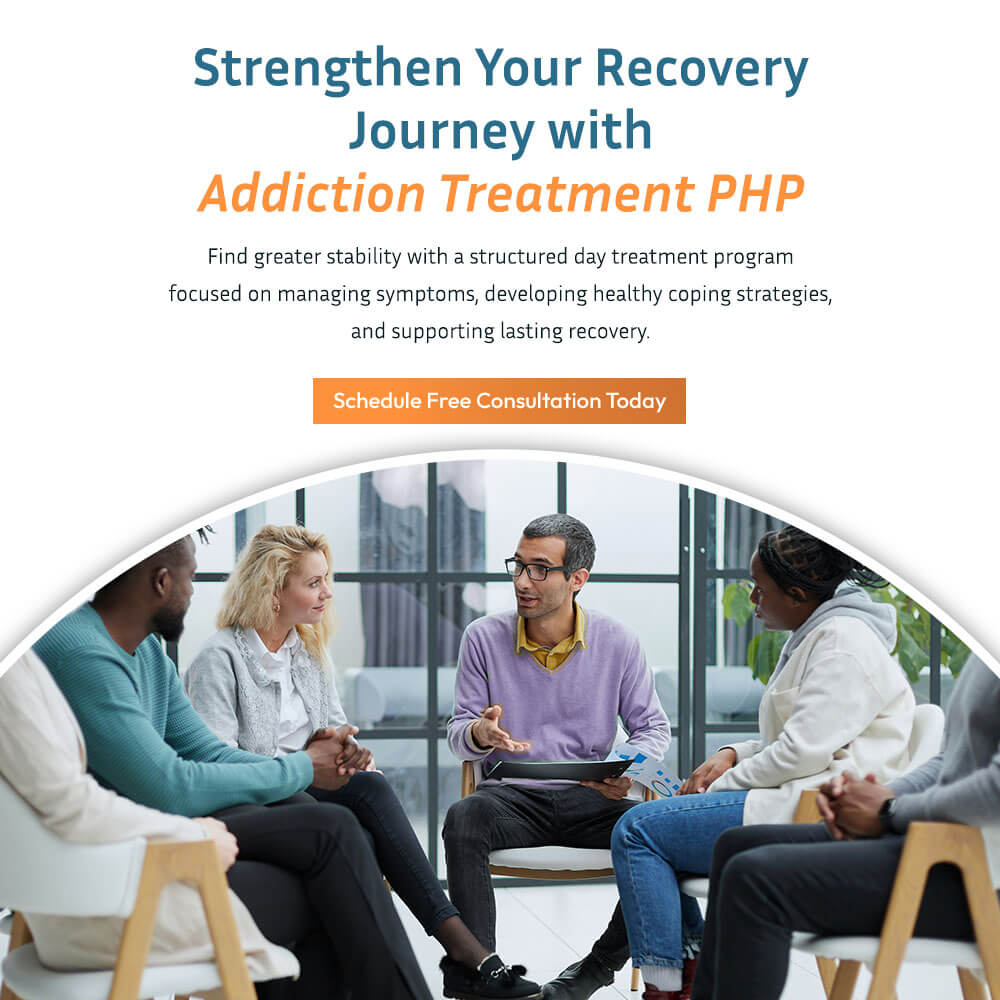
Outpatient Programs Patients with Opioid use disorder often need constant support. Intensive outpatient programs IOP for addiction and Partial Hospitalization Program PHP for addiction are especially designed for individuals who need more than weekly therapy support but do not require residential care. Through these programs, patients learn coping strategies, develop resilience, and learn to control their cravings.
Supporting Long-Term Opioid Recovery
Addiction treatment is the first step in opioid recovery. What holds the recovery is dependent on the post-treatment recovery support.
Relapse prevention plays an important role in opioid recovery. Identifying personal triggers, building a plan for high-risk situations, and having a support system reduces the likelihood of returning to use. Relapse isn’t a sign of failure; it’s very common in addiction recovery that’s why most treatment programs build a response plan for it from the outset.
Ongoing support, whether through support groups, individual counseling, or peer recovery networks, help people stay connected during a period when isolation is one of the biggest risks. Many people in long-term opioid recovery point to these ongoing connections as the single most important factor in staying well.
Lifestyle transitions, such as adopting healthy habits (like exercise, yoga, and morning walk), finding new sources of happiness, and spending time with loved ones, all play an important role in recovery.
FAQs for Opioid Addiction
The management of opioid abuse and opioid addiction treatment involves medication management, therapeutic support, counseling, peer support groups, and healthy activities. All these contribute to long-term recovery and stability may help to overcome dependency.
The recovery timeline is not fixed as it’s an ongoing process that requires constant support and care to prevent relapse. Depending on the symptoms and condition, some people find relief within few weeks of therapeutic and medication support. While others may require more time and constant support for long-term recovery.
Always follow your doctor’s advice when taking prescribed opioids. Do not increase dosage without your doctor’s consent. In case you notice any symptoms, it is best to consult with your doctor.
To provide support and care are the core elements of recovery. You can help your loved one multiple ways; first encourage them to seek addiction treatment, provide non-judgmental support, and help create a healthy and stable routine.
It depends on different factors. Opioid addiction may develop in weeks or sometimes in months, though there is no exact timeline. Also, not everyone using pain medication becomes an opioid addict. Genetics, pain conditions, and mental health history influence the risk.
Conclusion for Opioid Addiction
Opioid addiction or Opioid use disorder is a mental health disorder, where a person can become addicted to opioids compulsively and is unable to control the use of opioids, despite knowing the harmful consequences.
Understanding the signs of opiate addiction and reaching out to a doctor is an important step in recovery. Opioid recovery is possible, with the proper evaluation and right addiction treatment support, people may break the chain of addiction and live a happy and stable life.
Rise Well Behavioral offers compassionate and skilled mental health professionals who are highly trained in treating mental health and addiction problems. If you or your loved one is struggling with addiction and mental health conditions, feel free to contact us. We are here to support you throughout your recovery journey and help you build a healthy and happy life.
Revision History
Author

Samantha Leonie
Medical & Clinical Educator
Samantha Leonie is a healthcare professional and medical content writer with experience in clinical training and academic writing. She specializes in creating research-based, accessible healthcare content. With a foundation in medical education and hands-on clinical practice, she brings depth and clarity to every piece she writes. Passionate about making medical knowledge understandable, she aims to educate and inspire her readers.
Fact Checker

Dr. Seema Kazi
Medical Director
Dr. Seema Kazi is the compassionate force behind Rise Well Behavioral, where her vision has shaped a practice rooted in empathy, excellence, and patient-centered care.