Alcohol Abuse

Alcohol Abuse
Alcohol Abuse
Alcohol abuse is the tendency to drink alcohol that leads to the impairment of physical, emotional, or interpersonal health. It arises when alcohol consumption becomes too high and it affects daily activities, work, or even family life. The National Institute on Alcohol Abuse and Alcoholism (NIAAA) reports that millions of adults in the U.S. struggle with alcohol misuse annually.
At Rise Well Behavioral Health, we help individuals recognize the signs of alcohol abuse and guide them toward recovery with personalized care and structured treatment plans.
Get in touch today for confidential support and a personalized treatment plan.
Alcohol Abuse Symptoms
Recognizing the symptoms of alcohol abuse is the first step toward recovery. These signs may appear gradually and can vary in severity depending on how long and how often a person drinks.
Common Physical Symptoms
- Frequent hangovers or blackouts
- Increased tolerance
- Tremors, sweating, or nausea when not drinking
- Poor sleep and fatigue
Behavioral and Emotional Symptoms
- Drinking to cope with stress, sadness, or anger
- Neglecting responsibilities at work or home
- Withdrawing from family or social activities
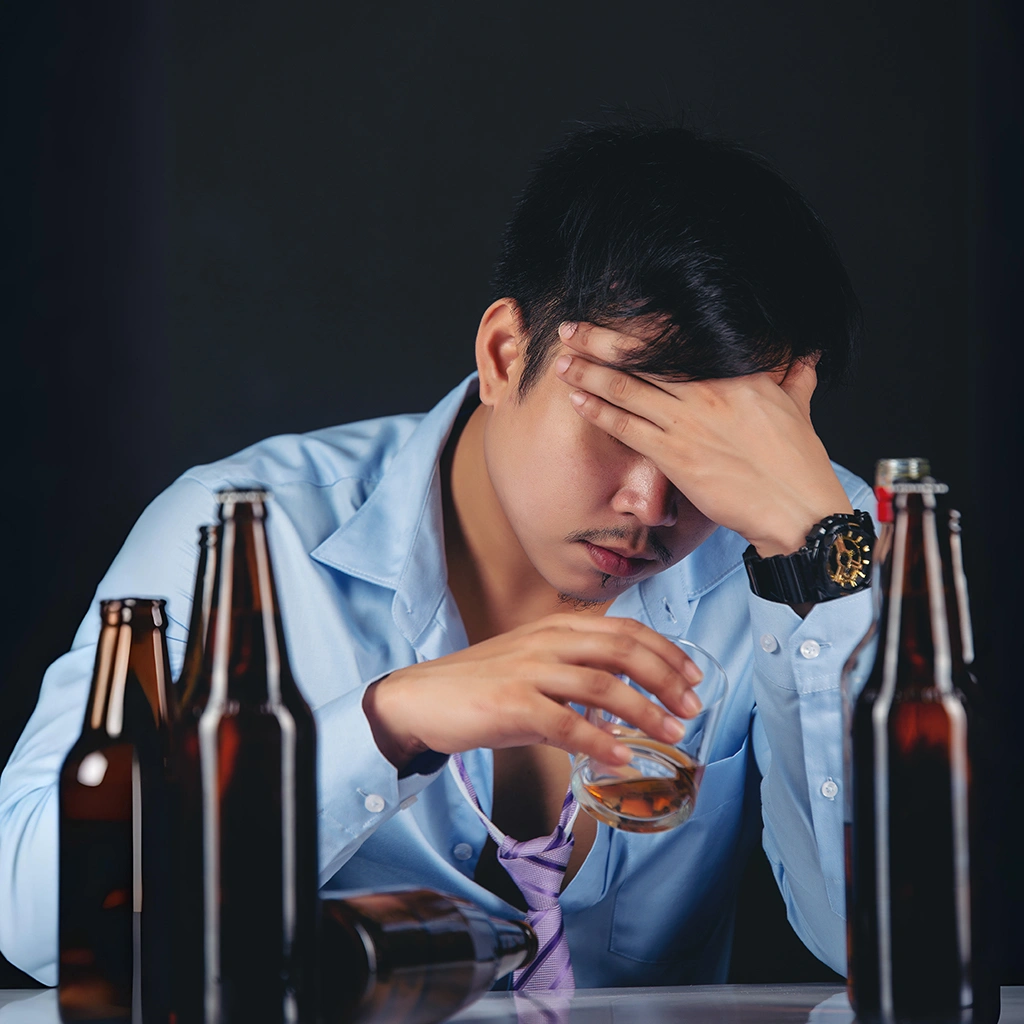
Causes of Alcohol Abuse
A combination of genetic, psychological, and environmental factors may lead to alcohol abuse. Understanding the causes can help develop effective and individualized therapy interventions.
Common causes include:
A combination of genetic, psychological, and environmental factors may lead to alcohol abuse. Understanding the causes can help develop effective and individualized therapy interventions.
Common causes include:
Genetic Predisposition: A Family history of alcohol use disorder predisposes the individual.
Mental Health Conditions: Anxiety, depression, or trauma may prompt individuals to use alcohol as one of the coping strategies.
Social Conditions: Overuse can be fueled by peer pressure or the culture of social drinking.
Stress and Life Events: Divorce, family conflict, or loss of a loved one may contribute to emotional drinking.
Let’s uncover the “why” behind your drinking!
Alcohol Abuse Treatment
Rise Well Behavioral offers evidence-based care that helps individuals overcome alcohol dependence and treat their comorbid mental health conditions. The treatment is aimed at regaining emotional stability, developing coping techniques, and promoting a healthy lifestyle.
We offer several levels of care in our behavioral health programs, such as the Partial Hospitalization (PHP), Intensive Outpatient (IOP), and outpatient (OP) behavioral health services to address the individual recovery needs of a person. Therapies may include:
Relapse Prevention Strategies
Facts About Alcohol Abuse
Alcohol is among the most abused and consumed substances in the world.
Prolonged intoxication may destroy the brain, liver, and heart.
Alcoholism exposes one to depression, anxiety, and sleeping disorders.
Thousands of deaths are caused by alcohol related problems.
Early intervention is extremely important in enhancing the results of treatment.

When to Seek Help
If alcohol consumption starts affecting your daily life and relationships, or emotional well-being, then it may be time to seek assistance. With a timely intervention, it is possible to avoid the consequences in the future and recover much more easily.
Alcohol intake is a routine.
You have already attempted to quit but cannot overcome withdrawal.
Alcohol causes mood swings or relationship issues.
Feeling helpless and hopeless.
Don’t wait for alcohol to take over your life. Reach out to Rise Well Behavioral Health to explore effective alcohol abuse treatment options.
Brandie Petet
Provider Alston is very kind and attentive. She listens very well, and she is very concerned about your medications working their best. I highly recommend her.

Melissa Bailey
Excellent dr to manage ADD. They are caring and take time to truly understand and do what’s best for the individual patient. Rebecca & Christine continually go the extra mile for patients.
Louanne Dickenson
Therapist listened to my situation and issues. Knowledgeable of condition and how to help me
Chérie King
Kai is a great practitioner and I receive excellent care from her. Televisits work smoothly and are so convenient
Frequently Asked Questions
Why is alcohol the most abused drug?
Alcohol is easily accessible, socially accepted, and often used to relieve stress or emotional pain, which makes misuse common. Its legal status and widespread use increase the risk of dependency and long-term abuse.
what is long-term alcohol abuse?
Long-term alcoholism is chronic and excessive consumption of alcohol that results in physical and mental damage. It may lead to liver disease, cardiac issues, memory loss, and acute emotional instability in the long run.
what does alcohol abuse do to your body?
Alcoholism is chronic and damages almost all the organs. It harms the liver, suppresses the immune system, impairs brain functions, and puts one at risk of heart diseases, digestive issues, and some cancers.
How does alcohol abuse affect relationships and family life?
Alcohol abuse can cause trust issues and a weak emotional bond with loved ones. It can cause conflicts, a lack of attention, or a financial burden, which affects family integrity. Healing usually contributes to the development of healthier and stronger relationships.