
Phone Addiction: Behavioral Patterns, Risks, and Treatment
- Samantha Leonie


You check your phone first thing in the morning… and probably the last thing before sleeping.
Sounds normal, right?
However, when scrolling becomes a compulsion, and you feel anxious without your phone, it may be more than just a habit. This could be due to phone addiction. In fact, phone addiction is one of the most common forms of modern smartphone addiction today.
In today’s world, digital addiction has been recognized as a behavioral problem faced by individuals, mainly teenagers, young adults, and office-going professionals. Such people often show separation anxiety, difficulty concentrating, emotional distress, and an urge to check their notifications. This pattern is often described as addicted to phone behavior and may require phone addiction help in severe cases.
As the number of people spending long periods looking at screens increases globally, experts in the field of mental well-being continue to analyze the psychological and behavioral effects of smartphone usage, especially smartphone addiction and phone addiction symptoms.
Table of Contents

Understanding Phone Addiction
Phone addiction refers to a pattern of excessive smartphone use that interferes with daily life, relationships, productivity, and emotional well-being. People experiencing phone addiction often feel a constant urge to check their phones, even when it negatively impacts their responsibilities or mental health. This is also commonly referred to as addiction to the phone or being addicted to cell phone individual.
Although phone addiction is not classified as a substance abuse disorder, most psychological professionals consider it a behavioral addiction. Similar to other behavioral addictions, including gambling and social media, smartphone addiction activates brain reward pathways and encourages repetitive behaviors.
Notifications, messages, likes, videos, and aimless scrolling can provide short-term happiness or relaxation, reinforcing phone addiction symptoms and keeping individuals trapped in cycles of addicted to phone behavior. Ever caught yourself checking your phone without even realizing why? That’s how phone addiction quietly takes over.
People struggling with phone addiction often know it’s harmful, but still can’t stop. This is where phone addiction help or phone addiction therapy may be required. Over time, smartphone addiction becomes closely linked with emotional stress, boredom, and anxiety.

Addicted to Phone and Compulsive Usage Behaviors
Current smartphone designs and applications aim to capture and maintain user attention, contributing heavily to phone addiction and smartphone addiction patterns. Social networking sites, gaming apps, and messaging platforms reinforce addicted to phone behavior.
The most common individuals suffering from phone addiction symptoms experience constant anticipation of notifications. This repeated behavior leads to dopamine release, strengthening phone addiction cycles.
Smartphones also create emotional dependency. Many addicted to cell phone users rely on their devices for comfort, avoiding stress or loneliness. This increases addiction to phone patterns and deepens smartphone addiction over time.

Smartphone Addiction and Digital Dependency Trends
Phone addiction has become widespread across all age groups. Today, smartphone addiction and addicted to phone behaviors are observed in teenagers and adults alike.
Research shows emotional challenges linked with phone addiction symptoms, including anxiety, depression, and sleep issues. Many individuals showing signs of phone addiction often require phone addiction help or phone addiction therapy.
Teenagers are especially vulnerable to addicted to phone habits due to peer pressure and social validation. This leads to stronger addiction to phone behavior patterns and increased phone addiction symptoms.

Signs and Symptoms of Phone Addiction
The signs of phone addiction and phone addiction symptoms vary, but common behaviors include:
- Constantly checking notifications (phone addiction symptoms)
- Feeling anxious when not using phone (phone addiction)
- Struggling to reduce screen time (smartphone addiction)
- Using phone during meals and conversations (addicted to phone)
- Sleep disturbances due to usage (phone addiction symptoms
- Loss of productivity (addiction to phone)
- Emotional dependence on phone (addicted to cell phone)
- Phantom vibrations (phone addiction
- Social withdrawal (smartphone addiction)
Many individuals addicted to phones develop emotional dependency, showing clear signs of phone addiction. These phone addiction symptoms often require phone addiction help or cell phone addiction treatment.
Effects of Phone Addiction on Mental Health
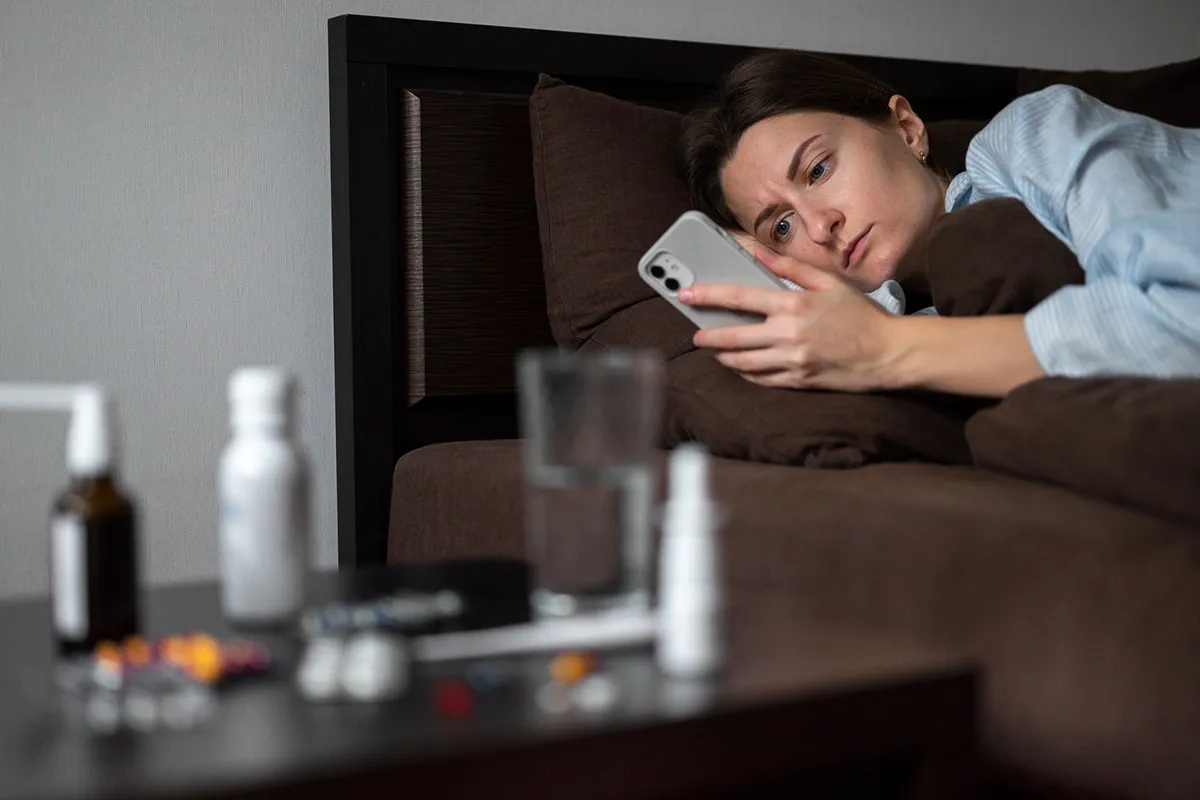
Excessive phone addiction can significantly affect emotional health. Individuals suffering from smartphone addiction may experience anxiety, stress, and loneliness.
People addicted to phone behavior often feel pressure to stay online. This reinforces phone addiction symptoms and worsens mental health.
In many cases, phone addiction therapy is needed to manage emotional dependency and reduce addiction to phone behaviors. Without support, phone addiction can escalate into isolation and emotional distress.
Phone Addiction Affects Brain Health
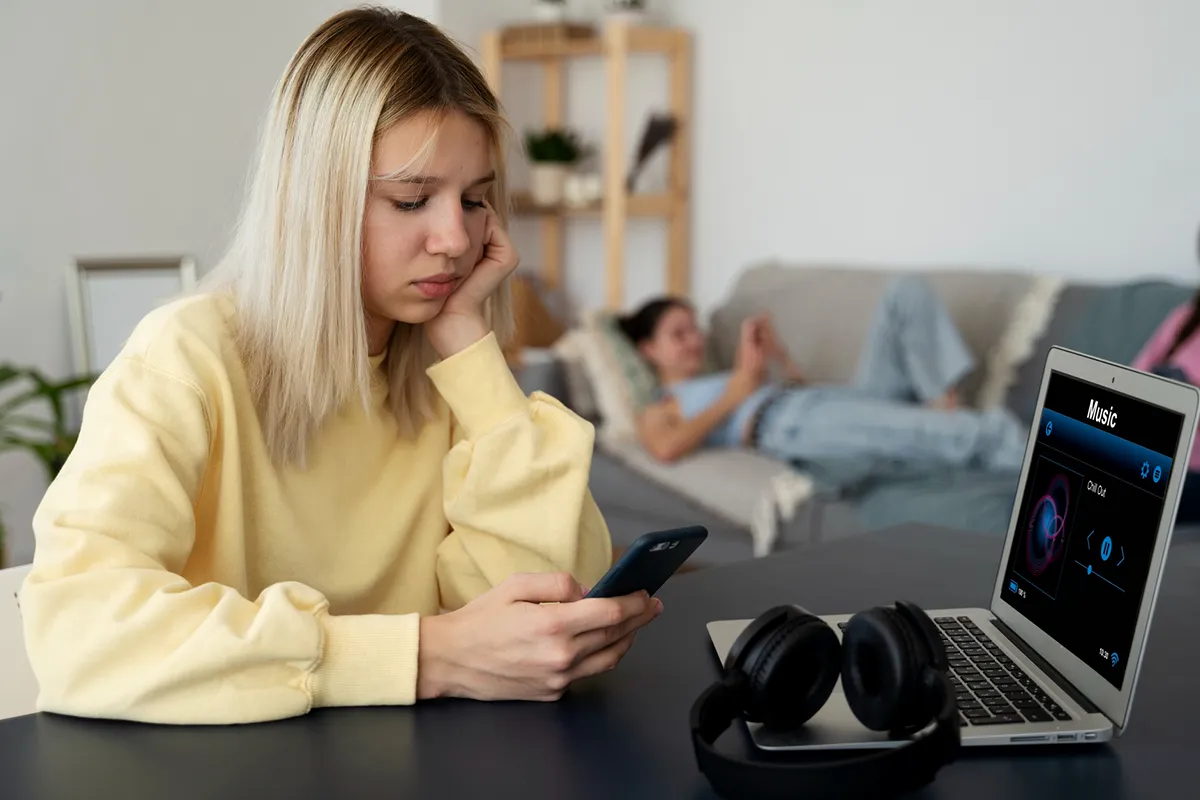
Scientists have studied how phone addiction affects brain function. Excessive smartphone addiction impacts attention, impulse control, and emotional regulation.
Repeated exposure to notifications reinforces phone addiction symptoms, making individuals more addicted to phone over time. This creates dependency similar to other behavioral addictions.
In severe cases, phone addiction therapy or cell phone addiction treatment may be recommended to restore cognitive balance.



Phone Addiction in Teenagers and Young Adults
Teenagers are the most affected by phone addiction and smartphone addiction. Social media and peer pressure increase addicted to phone behavior.
Common signs of phone addiction in teens include mood swings, isolation, and academic decline. Many parents seek phone addiction help when they notice worsening phone addiction symptoms.
Early intervention with phone addiction therapy or cell phone addiction treatment can prevent long-term addiction to phone behavior.

Treatment Options for Phone Addiction
Phone addiction treatment focuses on behavior change and emotional regulation. Phone addiction therapy is highly effective in managing smartphone addiction.
CBT is widely used for phone addiction help, helping individuals reduce addicted to phone behavior. Other approaches include cell phone addiction treatment, mindfulness therapy, and counseling.
Severe cases of phone addiction may require structured programs such as IOP or PHP for smartphone addiction recovery. Rise Well Behavioral is here to help you get rid of phone addiction and live a peaceful life.

Strategies to Reduce Phone Addiction
Reducing phone addiction requires consistent effort:
- Limit screen time (phone addiction help)
- Turn off notifications (smartphone addiction
- Avoid morning phone use (addicted to phone)
- Practice digital detox (addiction to phone)
- Focus on real-life interaction (phone addiction symptoms)
These strategies reduce signs of phone addiction and help manage addicted to cell phone behavior.

When to Seek Professional Help for Phone Addiction
Seek phone addiction help if phone addiction symptoms affect your life. Severe smartphone addiction may require phone addiction therapy or cell phone addiction treatment.
Warning signs include:
- Loss of control (phone addiction)
- Emotional dependence (addicted to phone)
- Sleep disruption (smartphone addiction)
- Academic/work issues (addiction to phone)
- Anxiety without phone (phone addiction symptoms)
Phone Addiction FAQs
Indeed, phone addiction may occur again if you do not apply healthy boundaries and behaviors are not applied after treatment. It is likely that mindfulness practices, reduced phone screen time, therapy, and emotion management techniques will decrease the risk of recurrence.
Normal phone behavior is characterized by no emotional changes, communication problems, sleep issues, and other negative effects. If a person suffers from smartphone addiction, they feel compulsions, emotional attachment, and inability to control their phone use, despite any negative outcomes.
Indeed, children and adolescents tend to experience rapid phone addiction symptoms because their brain development process has not yet been completed. This category of people may easily succumb to the impact of social media, rewarding behavior, and excessive screen time use.
If your phone usage negatively impacts your emotions, personal connections, study, or job, you should try to receive professional assistance
Conclusion for Phone Addiction
While smartphones have transformed how we live, phone addiction and smartphone addiction can negatively affect mental health, productivity, and relationships.
Recognizing signs of phone addiction early helps prevent worsening phone addiction symptoms. With proper phone addiction help, phone addiction therapy, and sometimes cell phone addiction treatment, individuals can overcome being addicted to phone or addicted to cell phone.
Small steps today can reduce phone addiction and restore balance in life. Rise Well Behavioral proudly provides the best addiction treatment programs in Dallas-Fort Worth. If you or your loved one is struggling with any kind of addiction, we are here to walk with you side by side throughout your addiction treatment. Feel free to contact us and get a free assessment today!
Revision History
Author

Samantha Leonie
Medical & Clinical Educator
Samantha Leonie is a healthcare professional and medical content writer with experience in clinical training and academic writing. She specializes in creating research-based, accessible healthcare content. With a foundation in medical education and hands-on clinical practice, she brings depth and clarity to every piece she writes. Passionate about making medical knowledge understandable, she aims to educate and inspire her readers.
Fact Checker

Dr. Seema Kazi
Medical Director
Dr. Seema Kazi is the compassionate force behind Rise Well Behavioral, where her vision has shaped a practice rooted in empathy, excellence, and patient-centered care.