
Marijuana Addiction: Clinical Overview of Cannabis Use Disorder
- Samantha Leonie


Marijuana addiction is a substance abuse problem that is known to have a serious effect on an individual’s psychological, emotional, and behavioral well-being. Even though marijuana is believed to be much less dangerous than other types of drugs, excessive and unregulated use may result in drug dependence, which leads to marijuana use disorder. Scientific data suggest that the issue of marijuana addiction can impact areas such as daily life duties, education, professional performance, and social interactions. With marijuana becoming more available and stronger, there is a trend among healthcare specialists of more people seeking treatment for marijuana addiction. Identifying the clinical features of the issue is an important prerequisite for further diagnosis.
Marijuana addiction occurs when the regular use of marijuana leads to the alteration of usual ways of thinking, behaving, and processing emotions. People suffering from marijuana addiction find it hard to cut down on their use despite the adverse effects that they suffer because of such behavior. Many times, marijuana addiction occurs alongside other issues, such as a craving for more, tolerance, and withdrawal effects. From recreational use to problematic use of marijuana, there are gradual stages that can go unnoticed until addiction is at its peak. Luckily, there are effective interventions for treating marijuana addiction.
Table of Contents

Marijuana Addiction in Clinical Psychiatry and Substance Use Disorders
According to clinical psychiatry, marijuana dependency is classified as a substance abuse disorder and is noted for its effect on the functioning of the mind, emotions, and overall well-being. As far as mental health professionals are concerned, consistent usage of marijuana will cause mental distress, especially among those with psychiatric problems. While not all people who consume cannabis become dependent on it, repeated and excessive consumption of the drug can make them susceptible to marijuana use disorder.
Studies have shown that the problem of marijuana addiction has been linked with other issues like anxiety disorders, depression, insomnia, and inability to concentrate. Weed addicts experience problems when it comes to motivation, managing duties, and controlling their emotions when off the drug. Assessing marijuana addiction takes into consideration all the behavioral and environmental influences on the process of recovery. Such an analysis enables healthcare professionals to establish the degree of dependence in their patients and devise treatment strategies.

Cannabis Use Disorder: Diagnostic Classification in Clinical Practice
Marijuana use disorder is clinically classified as Cannabis Use Disorder (CUD) in the Diagnostic and Statistical Manual of Mental Disorders, Fifth Edition (DSM-5). Its diagnosis requires established DSM-5 criteria that are employed by health practitioners when evaluating the relationship an individual has with the substance over a certain period of time. This involves assessing whether using the drug has caused a loss of control over usage, failed efforts to stop using the drug, cravings for it, withdrawal symptoms, or continued usage despite the negative impact it may have had. Marijuana use disorder is not defined by infrequent recreational use but by a pattern of misuse that interferes with normal activities of life.
The severity of marijuana dependence can be characterized as mild, moderate, or severe, based on the level of the condition’s symptoms. Most patients with an addiction to weed do not understand the consequences of their behavior due to the gradual development of the condition. Clinical assessment can discover behaviors related to the use of the drug that have been normalized. Early recognition can facilitate timely treatment for the condition, avoiding future complications.
Weed Addiction and Behavioral Patterns in Cannabis Dependence
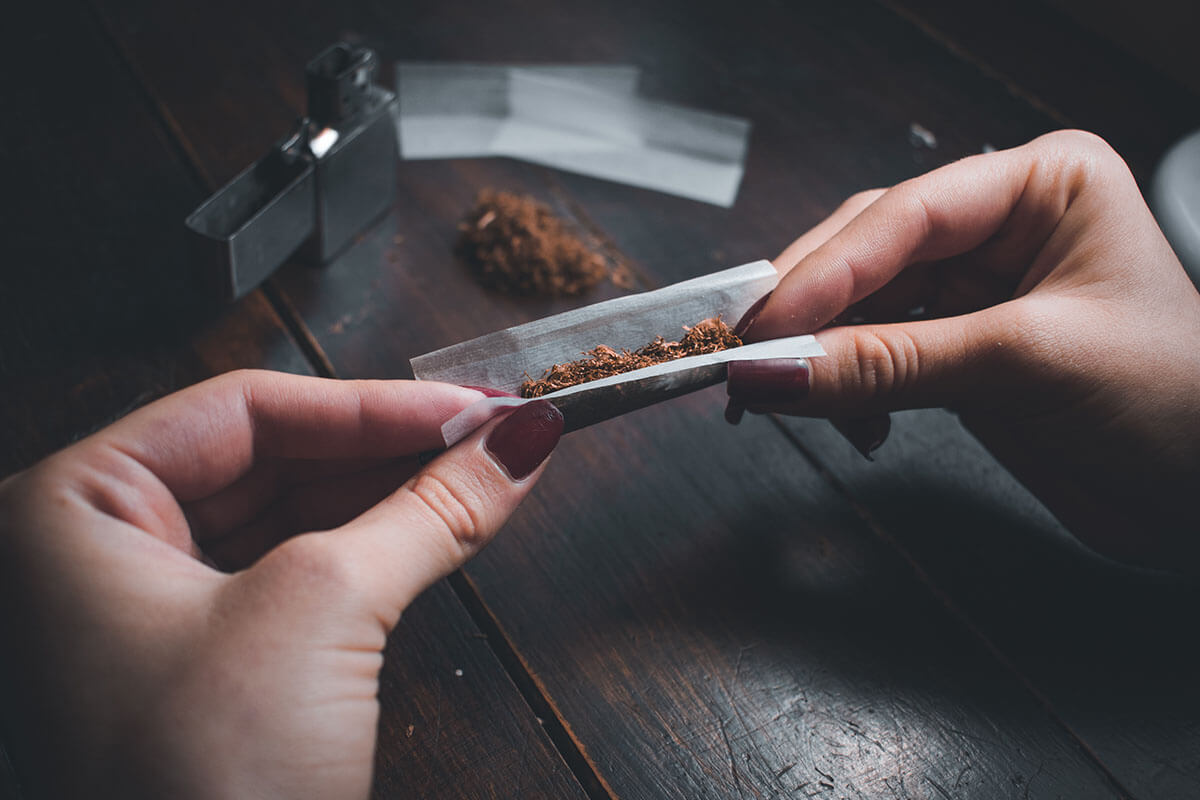
There are specific signs through which weed addiction is manifested. One can engage in behaviors whereby more time is spent on either procuring, consuming, or dealing with the aftermath of using cannabis, while at the same time ignoring other important duties. People who are addicted to marijuana may tend to withdraw from socializing, are usually not productive, and do not participate in other activities that they once enjoyed. Marijuana becomes the go-to solution for dealing with boredom and stress.
Behavioral changes due to weed addiction may influence one’s relations, academic work, and job effectiveness. People experiencing marijuana addiction may find themselves devoting more time and energy to using cannabis, often at the expense of important personal, academic, or professional responsibilities. In the course of time, efforts aimed at limiting its intake might result in experiencing marijuana withdrawal symptoms like irritability, agitation, insomnia, and craving. It is important to pay attention to such behavioral symptoms of addiction, as they will help people receive the necessary marijuana addiction treatment.
Clinical Symptoms of Cannabis Use Disorder
Health care practitioners assess cannabis use disorder symptoms by looking at the psychological and physiological signs of addiction. Some common cannabis use disorder symptoms may be persistent cravings, lack of control over substance usage, failed attempts to stop using cannabis, and the continued use of cannabis even when there are harmful consequences. In addition, cannabis addiction may affect the ability to perform academically and professionally. This is because individuals may have poor academic and professional performance due to cannabis addiction. Marijuana addiction is known to take place slowly, meaning that some individuals do not realize how serious their situation is until it affects their daily activities.
The presentation of marijuana symptoms depends upon the period and the extent of use of the drug. Some people develop marijuana symptoms like irritability, restlessness, insomnia, anxiety, reduced appetite, and difficulties concentrating and retaining information due to their attempt to reduce intake. Some individuals may face challenges regarding their motivation and concentration. The mentioned marijuana symptoms can hurt one’s productivity and psychological health status. A mental health care provider should be able to recognize these symptoms, which would help to decide on marijuana treatment.

Role of Cannabis Use in the Development of Marijuana Addiction
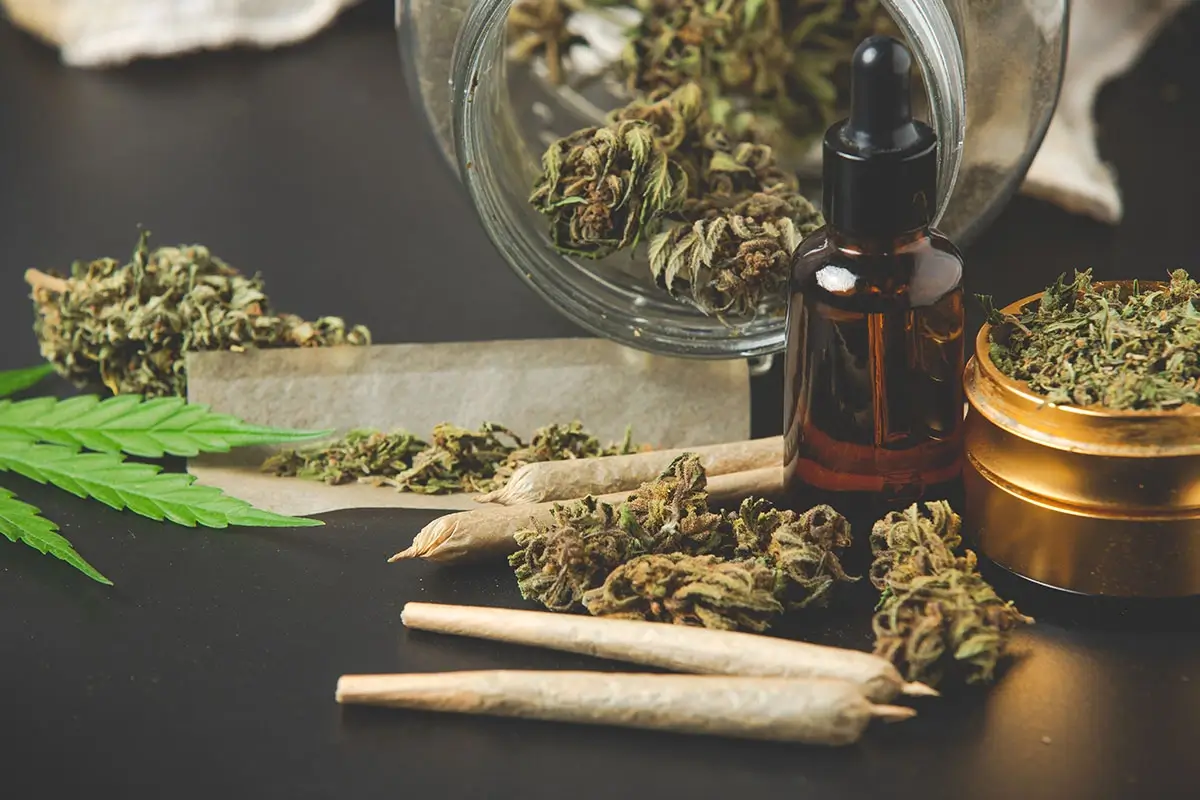
While numerous people engage with cannabis for recreational purposes without any problems occurring in the immediate future, frequent cannabis use might become an important factor leading to marijuana addiction. Various circumstances like genetic predispositions, environmental factors, psychological disorders, or early drug exposure might serve as risks for developing a dependence on cannabis products. Regular use of cannabis impacts the reward systems of the brain positively, thereby encouraging further usage. With the development of tolerance, more cannabis is needed for the same effect, making dependency highly likely.
Scientists are still researching how the consumption of cannabis affects people’s behavior and emotions. Continuous use can cause poor decision-making skills, decreased motivation levels, and dependence, especially when facing stressful moments. Marijuana abuse is one of those cases where a person starts taking cannabis because it becomes their main way to cope with different situations. This will only make the process of being addicted to the drug stronger, thus making quitting even harder.

Marijuana Symptoms and Early Clinical Indicators of Marijuana Addiction
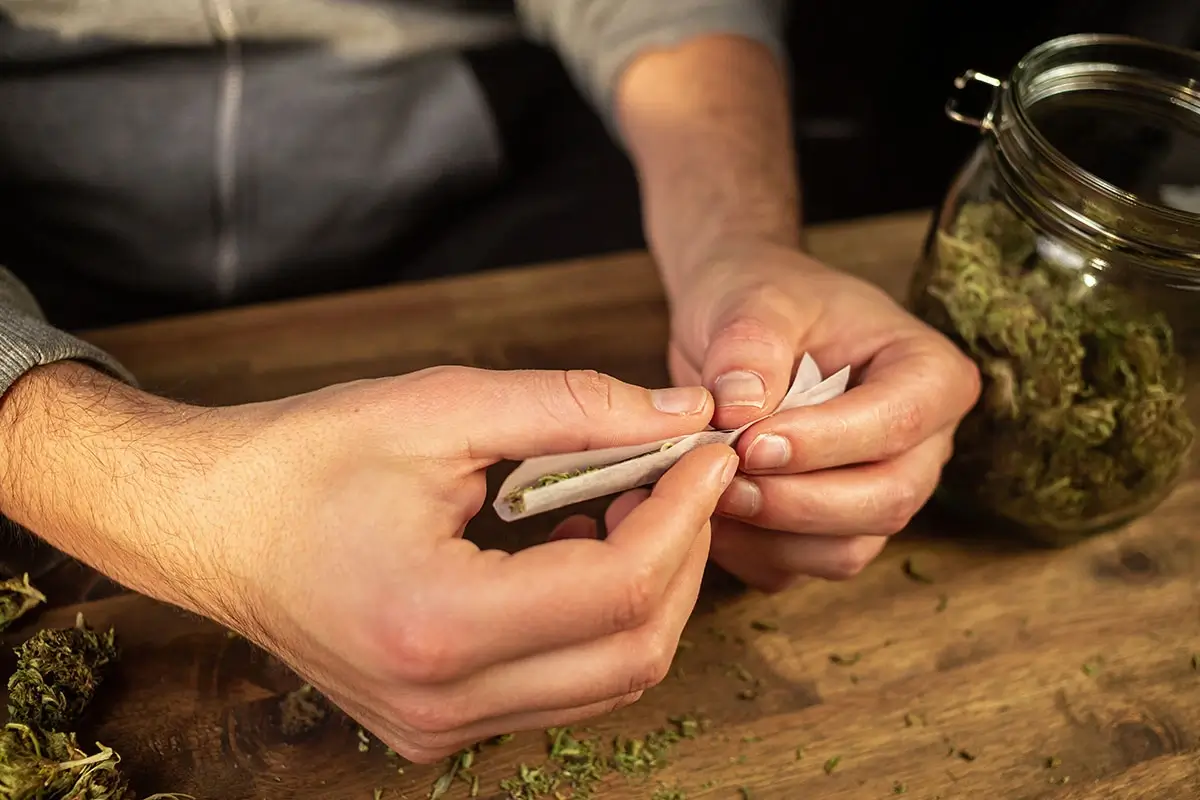
The initial signs of addiction to marijuana could be very subtle, but they tend to become more evident as one’s dependence on the substance grows. People start experiencing various symptoms related to marijuana, which include irritability, inability to sleep properly, poor concentration, unstable moods, and continuous cravings. It also starts affecting one’s relationships, schooling, and work environment. Individuals may start avoiding any form of social gatherings or activities that they used to love. Since all this occurs slowly, it is easy for loved ones to ignore the warning signs.
In this case, healthcare practitioners encourage individuals to undergo an assessment if the signs and symptoms associated with marijuana start to affect their daily tasks. Some of the other signs associated with cannabis use disorder include failed efforts to quit the drug, preferring use of the drug to taking care of obligations, and distress when one is unable to access the drug. These symptoms are commonly regarded as evidence of progression from occasional use to dependence on weed.
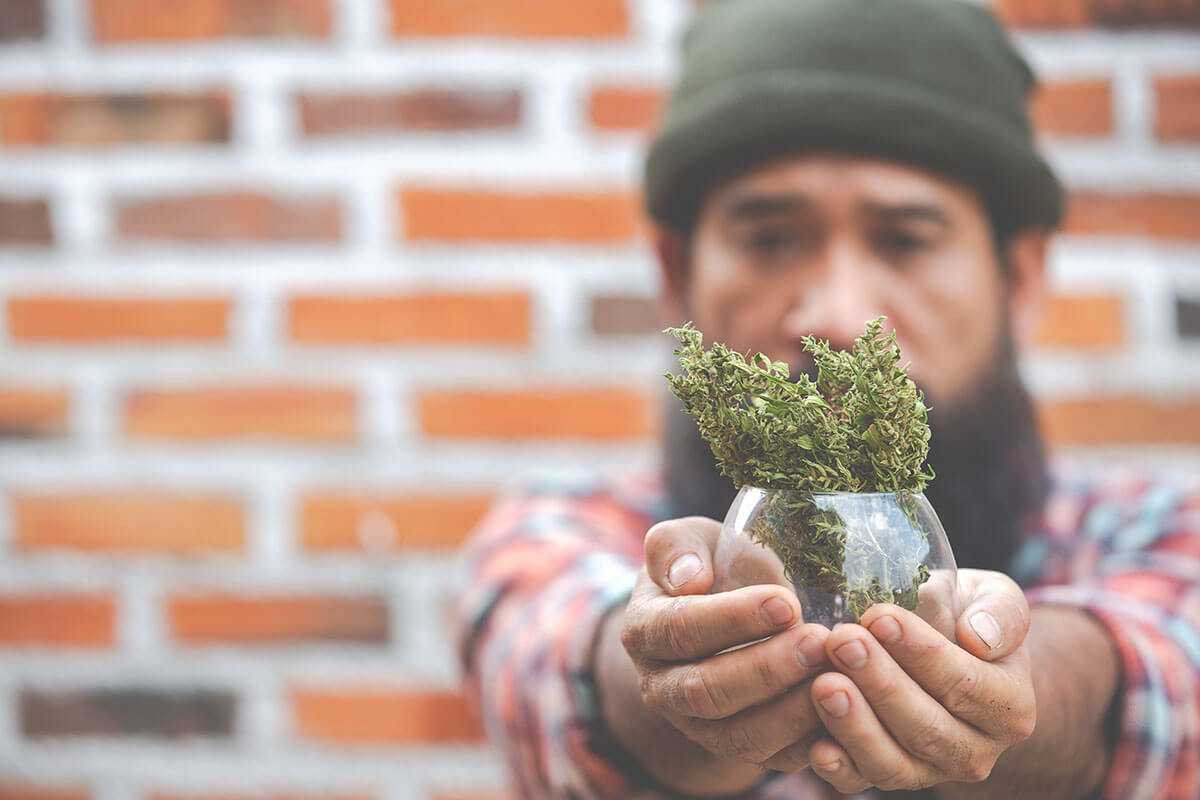
Chronic Potent Cannabis Dependence
Pot addiction occurs when prolonged use of marijuana results in both behavioral and psychological dependence on marijuana. Pot addicts usually experience cravings and face difficulty in curbing their marijuana intake despite being aware of the harmful impacts that come with it. Regular users end up spending a lot of time either getting the drug, using the drug, or overcoming its effects, resulting in little time being spent on personal tasks and pursuits. Such impacts call for early detection of marijuana addiction.
The clinical experts understand that the issue of pot addiction may coincide with other psychological problems. The chronic use of cannabis could result in the development of such conditions as anxiety, depression, lack of motivation, and even poor cognitive functioning. There are cases when marijuana abuse is normalized within the daily habits of a person, which complicates the identification of the problem and the necessity for marijuana addiction treatment. Moreover, chronic cannabis abuse leads to reinforcement of negative coping techniques and relapses during quitting periods.

How Addiction IOP Helps Treat Marijuana Addiction in Dallas-Fort Worth
FAQs about Marijuana Addiction
Yes. Marijuana addiction can be managed effectively using proven methods that consider both behavior-related aspects and psychological elements of drug addiction. The effective marijuana addiction treatment might comprise various types of treatments, such as individual therapy, counseling, and planning for relapse prevention, among others.
Cannabis use disorder symptoms commonly consist of intense craving, inability to control the use of cannabis, failure to stop using it, tolerance for the substance, and persistent use despite harmful effects. Moreover, symptoms of cannabis use disorder can also include irritability, problems with sleep, lack of motivation, and poor concentration.
Yes. Weed addiction is a form of marijuana use disorder, as stated by the medical profession. A weed addict may have difficulty quitting cannabis use even if it is affecting his or her social life, job, studies, or psychological well-being.
Marijuana abuse mostly involves the use of the substance to the extent of causing adverse effects on the consumer’s personal life. Marijuana use disorder, on the other hand, is diagnosed using particular criteria, which include dependence, cravings, inability to control oneself, and persistent use of the drug despite having difficulties.
Marijuana use disorder, or Pot addiction, begins when using marijuana is out of control or has begun to interfere with the responsibilities of a person. This can be determined by experiencing intense cravings, inability to cease usage, withdrawal symptoms, as well as placing marijuana usage ahead of essential tasks.
Conclusion for Marijuana Addiction
Marijuana addiction is a behavioral health problem that poses significant risks and should be seriously addressed in the context of its potential effects on emotions, social life, studying, and working. Although initially, a person might be able to enjoy marijuana only sporadically, over time, such behavior may become uncontrollable and lead to marijuana use disorder or pot addiction. To overcome such addiction, one needs to be able to recognize the signs of marijuana use disorder, understand what marijuana abuse leads to, and get appropriate marijuana addiction treatment. The right kind of treatment offered in IOP and PHP programs can help achieve these goals.
Revision History
Author

Samantha Leonie
Medical & Clinical Educator
Samantha Leonie is a healthcare professional and medical content writer with experience in clinical training and academic writing. She specializes in creating research-based, accessible healthcare content. With a foundation in medical education and hands-on clinical practice, she brings depth and clarity to every piece she writes. Passionate about making medical knowledge understandable, she aims to educate and inspire her readers.
Fact Checker

Dr. Seema Kazi
Medical Director
Dr. Seema Kazi is the compassionate force behind Rise Well Behavioral, where her vision has shaped a practice rooted in empathy, excellence, and patient-centered care.