Post-Traumatic Stress Disorder
Post-Traumatic Stress Disorder (PTSD) is a mental health condition that can develop after experiencing or witnessing a traumatic event, such as accidents, natural disasters, abuse, or violence. It can leave individuals with overwhelming emotions, flashbacks, and constant feelings of fear or unease, even long after the event has passed.
According to research by the National Center for PTSD, around 6 out of every 100 people will experience PTSD at some point in their lives. Women are more likely than men to develop the disorder, and rates are often higher among veterans and individuals exposed to repeated trauma. These statistics show just how widespread and impactful PTSD can be on individuals, families, and communities.
At Rise Well Behavioral, we provide a safe and supportive environment where individuals can begin to heal from trauma. Through our Intensive Outpatient Program (IOP), we help you to manage symptoms, build resilience, and reclaim control of your lives. If you or a loved one is struggling with PTSD, know that recovery is possible, and our team is here to walk with you every step of the way. Take the first step today by reaching out to Rise Well Behavioral.
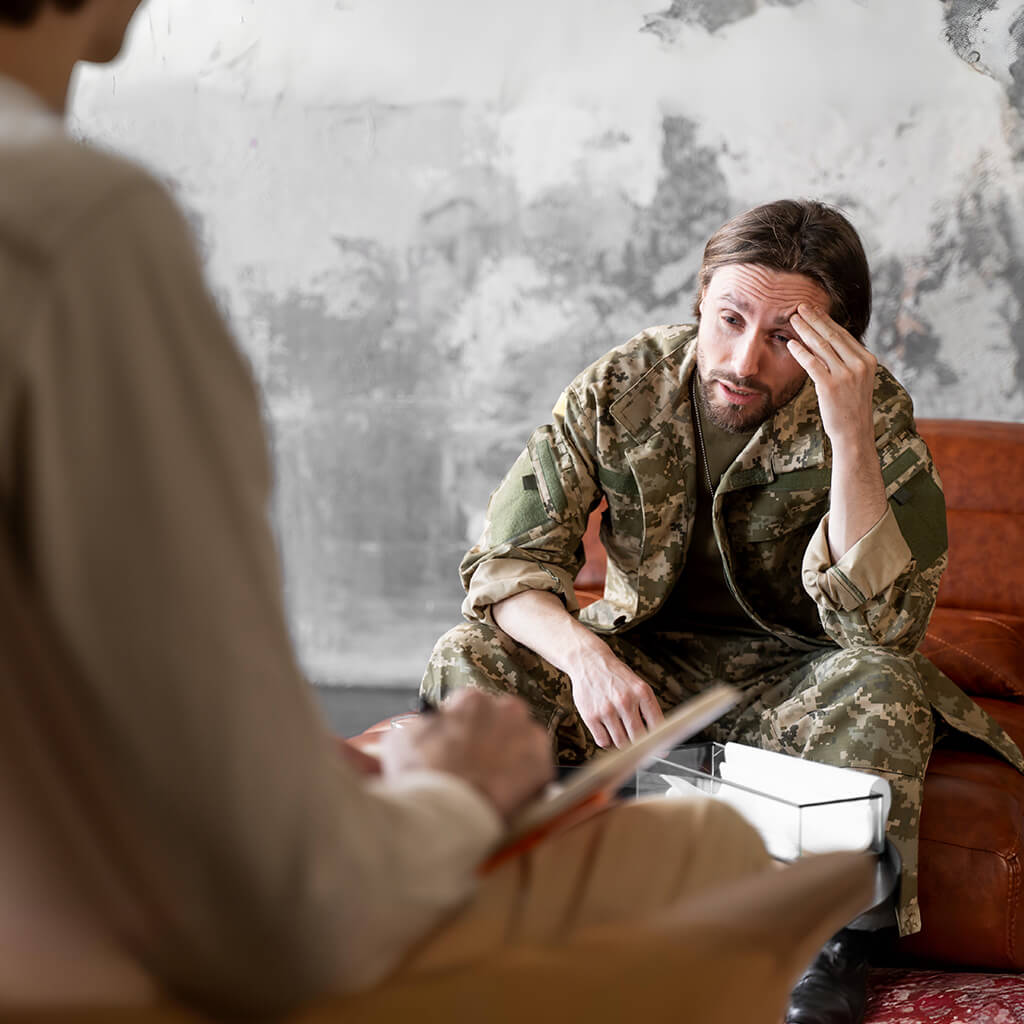
Symptoms of PTSD
PTSD manifests in many different ways, and its symptoms can affect both the mind and body, often disrupting everyday routines and relationships. Some people may relive their trauma through vivid flashbacks or distressing nightmares, while others might avoid anything that reminds them of the event. It is also common to experience heightened alertness, irritability, or difficulty managing emotions, which can make it challenging to feel safe or connected with loved ones. Over time, these symptoms can interfere with work, school, and overall quality of life, making it important to recognize the signs early and seek help.
Common symptoms include:
- Flashbacks or intrusive memories
- Nightmares and difficulty sleeping
- Avoidance of people, places, or activities that trigger memories
- Feeling constantly on edge or hyper-alert
- Irritability, anger, or mood swings
- Emotional numbness or detachment from loved ones
- Difficulty concentrating or staying focused
Roots of PTSD
PTSD does not have a single cause. It often develops after a deeply distressing or life-threatening event. Some common causes include:
Combat or Military Experience
Veterans exposed to life-threatening situations may develop PTSD long after service.
Accidents and Injuries
Serious car accidents, workplace injuries, or medical emergencies can be triggers.
Abuse or Assault
Physical, emotional, or sexual abuse often leaves lasting emotional scars.
Natural Disasters or Crisis Events
Earthquakes, floods, or unexpected traumatic events can lead to PTSD.
Sudden Loss
The unexpected death of a loved one or witnessing a tragedy can trigger symptoms.
Treatment Options for PTSD
While PTSD can feel overwhelming, effective treatments are available. The goal of therapy is to reduce symptoms, improve daily functioning, and help individuals regain control of their lives. At Rise Well Behavioral, treatment plans are personalized to meet each client’s needs.
Treatment approaches may include:
Individual Therapy
One-on-one sessions that provide a safe space to process trauma.
Group Therapy
Sharing experiences with others to reduce isolation and gain support.
Trauma-Focused Cognitive Behavioral Therapy (CBT)
Identifying and reshaping negative thought patterns.
Mindfulness and Stress-Reduction Techniques
How Our IOP Works for PTSD
Our Intensive Outpatient Program is designed to provide structured support while allowing clients to maintain their daily responsibilities. The program blends evidence-based therapy with skill development to ensure sustainable recovery.
Key features of our IOP:
Personalized Plans
Every client’s treatment path is tailored to their unique needs.
Safe Environment
A supportive setting that encourages trust and healing.
Skill Building
Practical coping strategies for managing triggers and stress.
Ongoing Support
Guidance that extends beyond sessions to everyday life.
When to Seek Help?
It may be time to seek professional care if PTSD symptoms are interfering with your ability to live a healthy, balanced life. Getting help early can prevent symptoms from worsening.
Seek help if you experience:
Persistent nightmares, flashbacks, or severe anxiety
Avoidance of daily activities or relationships due to trauma reminders
Intense emotional distress or thoughts of self-harm
Brandie Petet
Provider Alston is very kind and attentive. She listens very well, and she is very concerned about your medications working their best. I highly recommend her.
Melissa Bailey
Excellent dr to manage ADD. They are caring and take time to truly understand and do what’s best for the individual patient. Rebecca & Christine continually go the extra mile for patients.
Louanne Dickenson
Therapist listened to my situation and issues. Knowledgeable of condition and how to help me
Chérie King
Kai is a great practitioner and I receive excellent care from her. Televisits work smoothly and are so convenient
Frequently Asked Questions
How do I know if I have PTSD or just normal stress after trauma?
It’s normal to feel shaken after a distressing event, but PTSD symptoms last longer and interfere with daily life. If you experience nightmares, flashbacks, or ongoing anxiety for weeks or months, it may be PTSD and is worth seeking professional help.
Can PTSD go away without treatment?
For some people, symptoms may lessen over time, but many continue to struggle without support. Professional treatment is often necessary to manage symptoms, prevent worsening, and restore quality of life.
What makes an Intensive Outpatient Program (IOP) helpful for PTSD?
An IOP provides structured therapy several times a week while allowing you to maintain work, school, or family responsibilities. It offers the intensity of treatment without requiring full hospitalization.
Is treatment for PTSD effective?
Yes. With evidence-based therapies, coping skills, and professional support, most people with PTSD see significant improvement. Many go on to live balanced, fulfilling lives once treatment helps them process trauma safely.